
💨 Shop Paintball Tanks & Air Systems — HPA, CO2, Covers, Remote Lines & Accessories.








Paintball CO2 & HPA Compressed Air Tank Bottles: Fuel Your Game with Reliable Power
Whether you play casual weekend games or compete regularly at your local field, your setup is only as reliable as the air powering it. A dependable air source determines how consistently your paintball gun shots, how efficiently your marker cycles, and how long you can stay in the game before refilling. Therefore, choosing the right paintball tanks matters as much as selecting the right marker or loader.
Modern paintball air systems deliver reliable paintball air to your marker while maintaining stable output pressure. Today’s tanks range from entry-level aluminum bottles to advanced carbon-fiber systems, both capable of withstanding extremely high pressure. Each type of paintball tank supports a different style of play. Recreational players often prefer simple and affordable setups, while competitive players rely on high-performance compressed-air paintball systems.
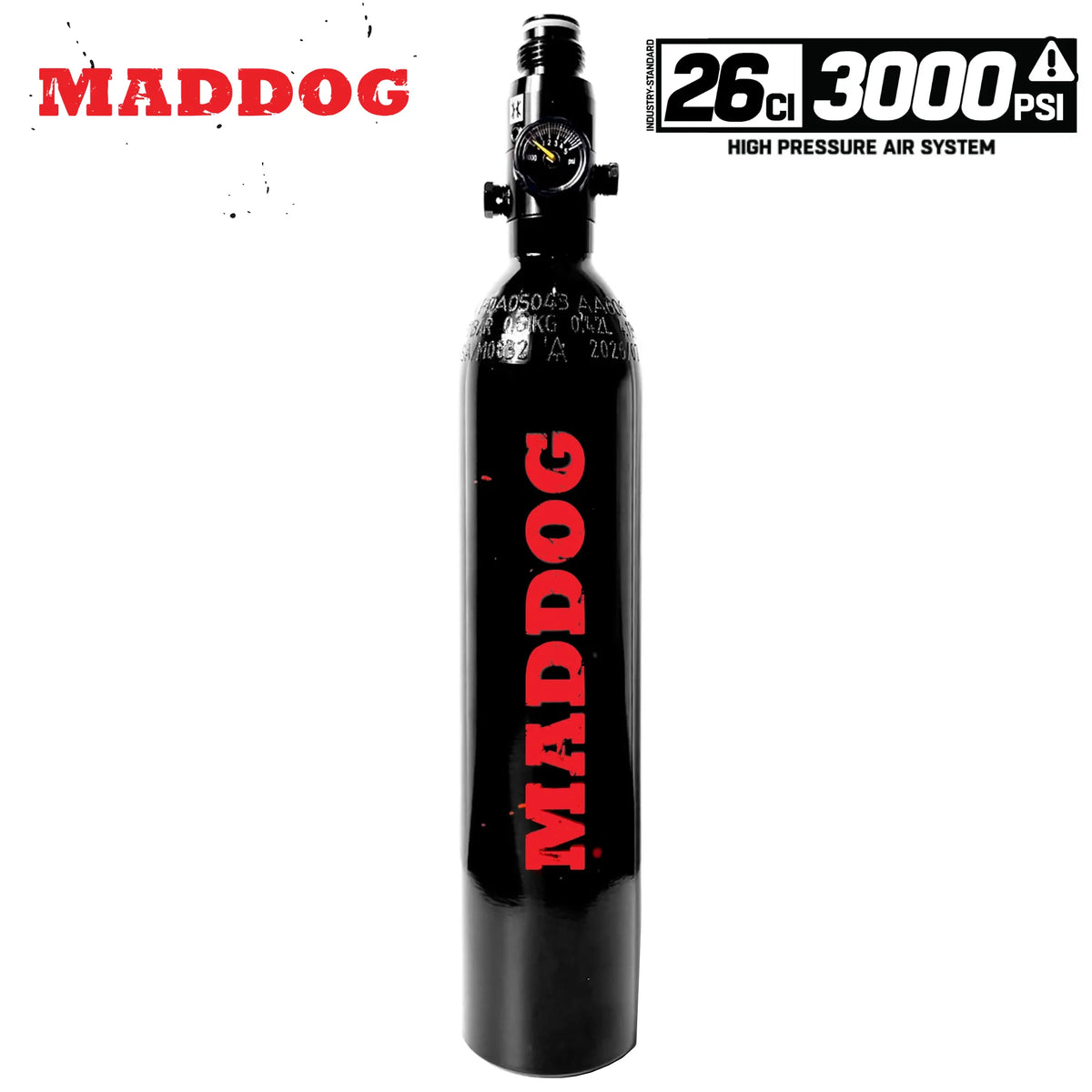
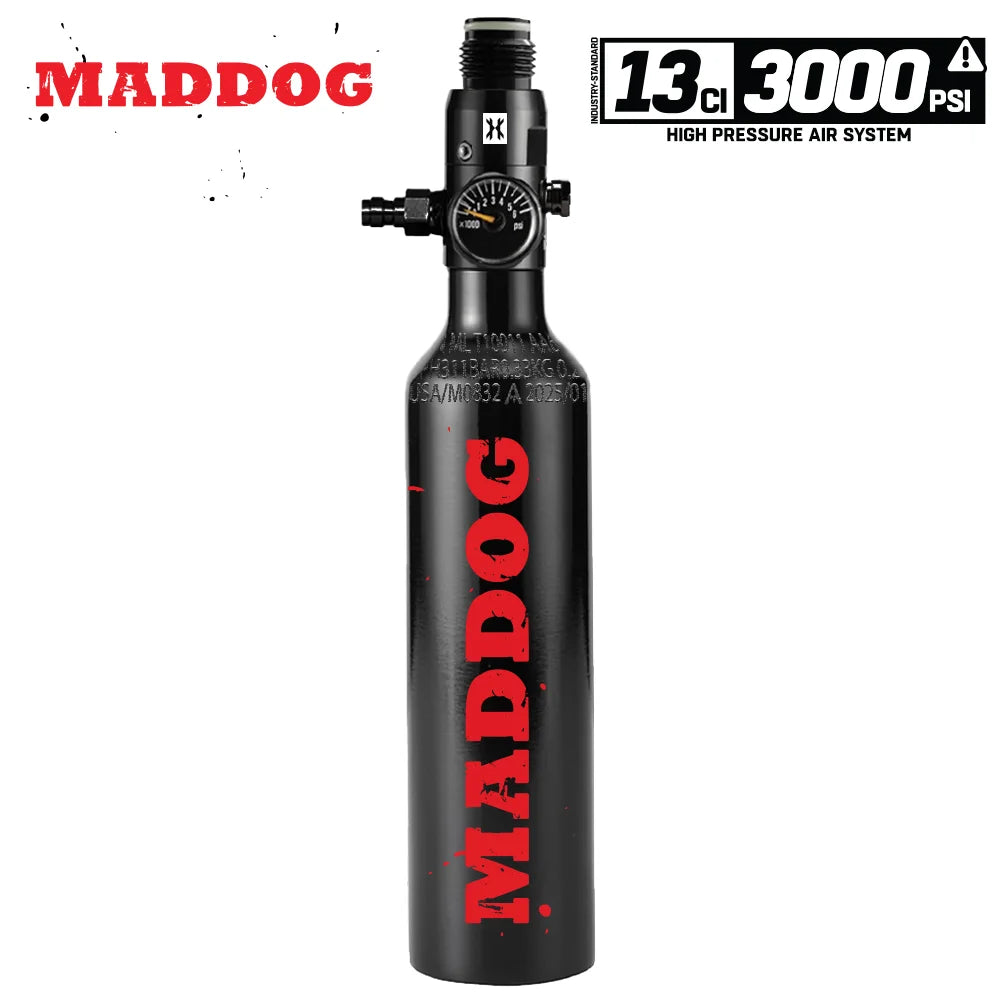
At Mad Dog Sports, you’ll find a wide range of paintball air tanks, from traditional paintball CO2 tank options to modern HPA paintball tank systems for your tournament play or a fun day with friends. Tanks are available in multiple sizes and pressure ratings, including common pressure air tanks rated up to 3000 or 4500 PSI.
You’ll also find tanks with dependable regulators that maintain stable output pressure. A high-quality tank regulator guarantees that your paintball marker receives consistent airflow from the first strike. This reliability reduces velocity spikes and makes your marker easier to tune.
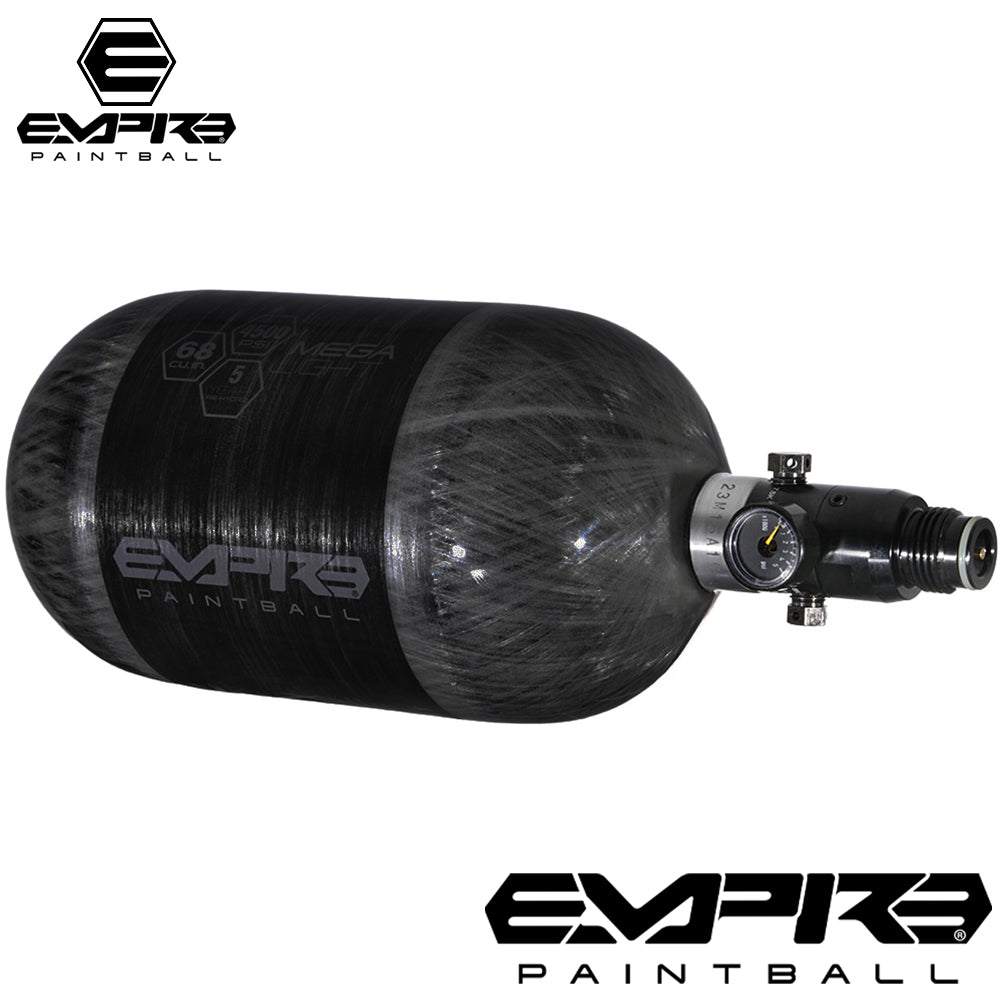
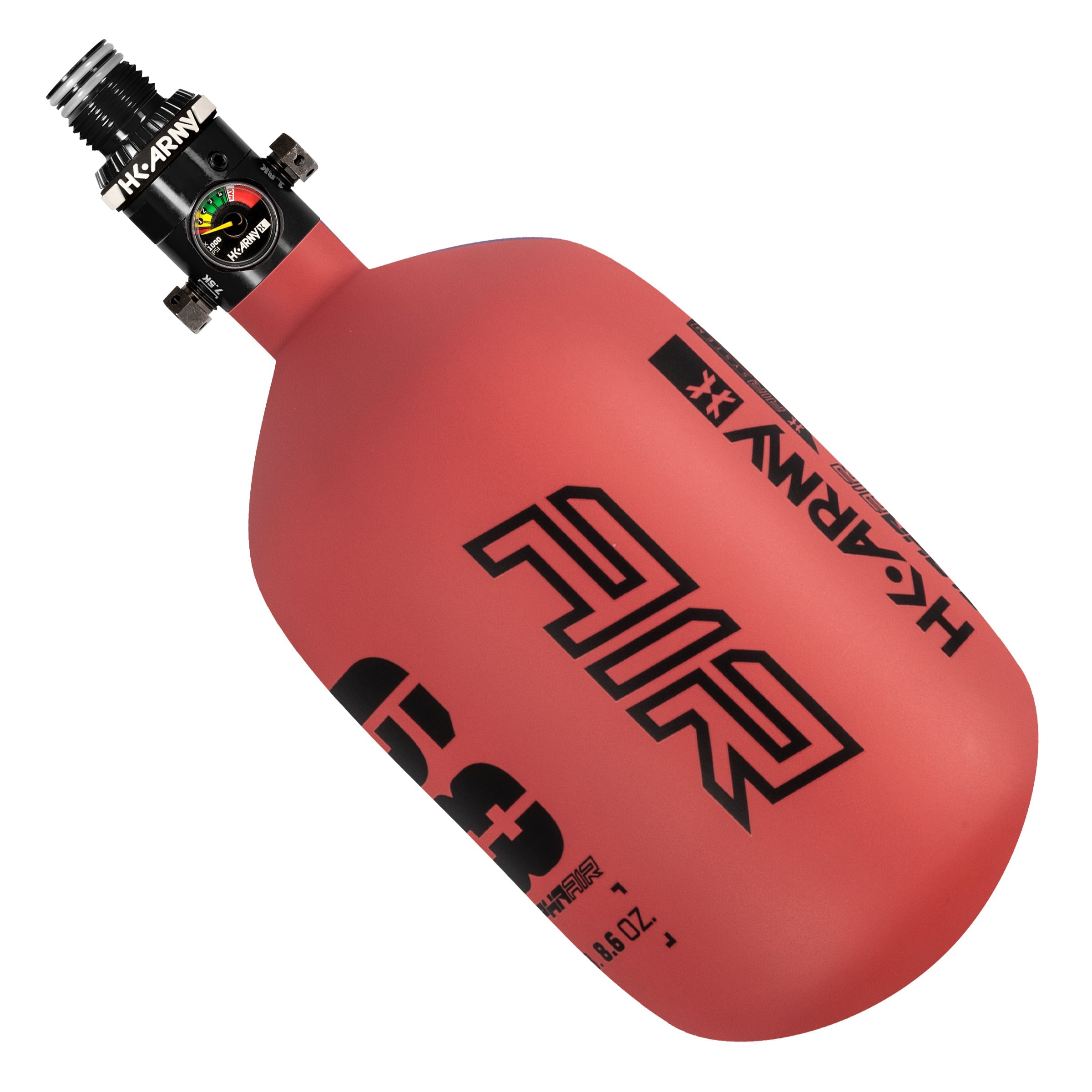
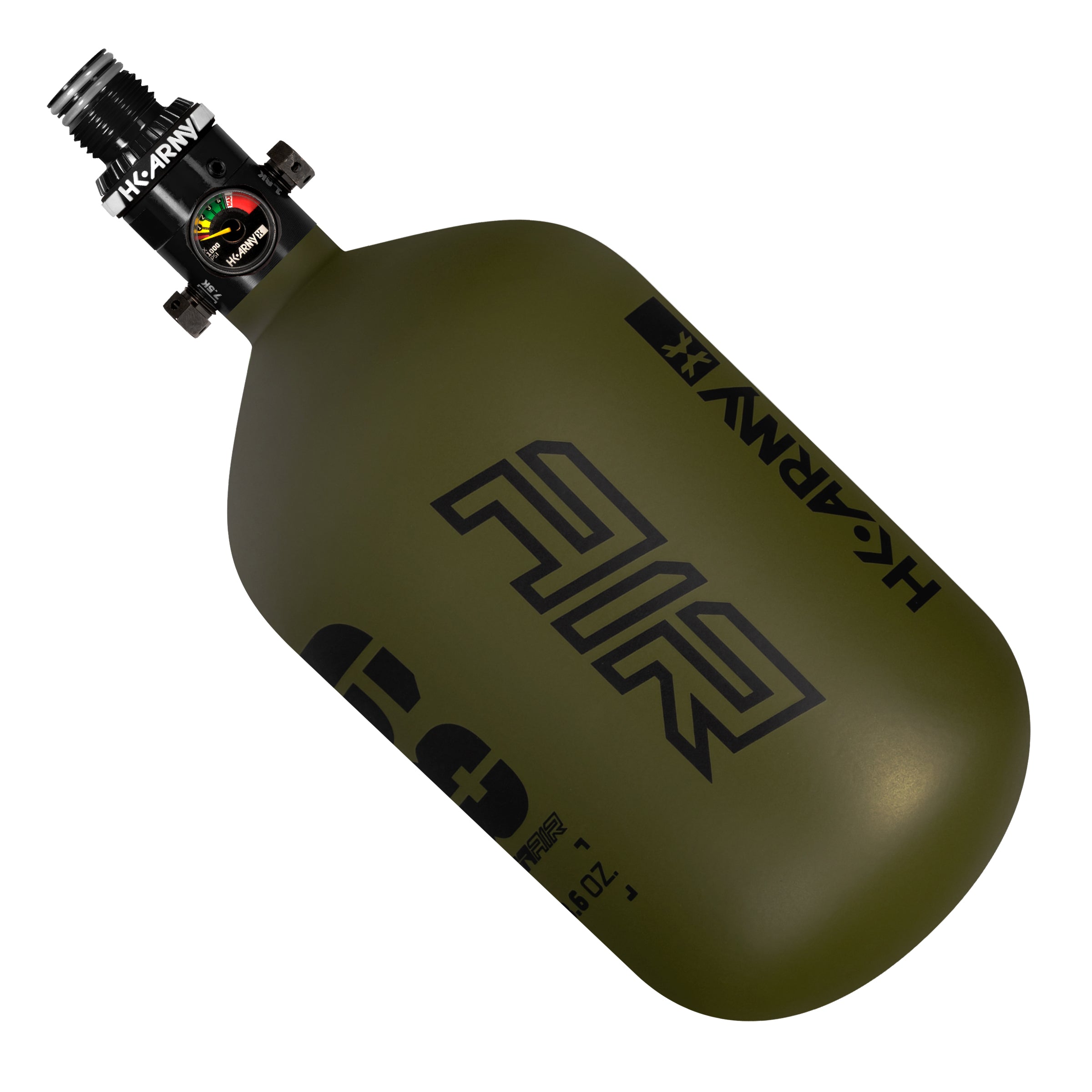
Mad Dog Sports carries tanks from established manufacturers. Popular models such as the Empire Mega Lite and HK Army Aerolite rank among the most widely used carbon fiber tanks in competitive play. These advanced carbon fiber tanks combine strength and light weight, which makes them ideal for players who carry their gear all day during tournaments or scenario games.
CO2 Tanks: Affordable and Effective Power
For many players, the paintball CO2 bottle remains one of the easiest and most affordable ways to power a marker. CO2 has been used in paintball since the sport's early days and remains a reliable option for casual players and field rentals.
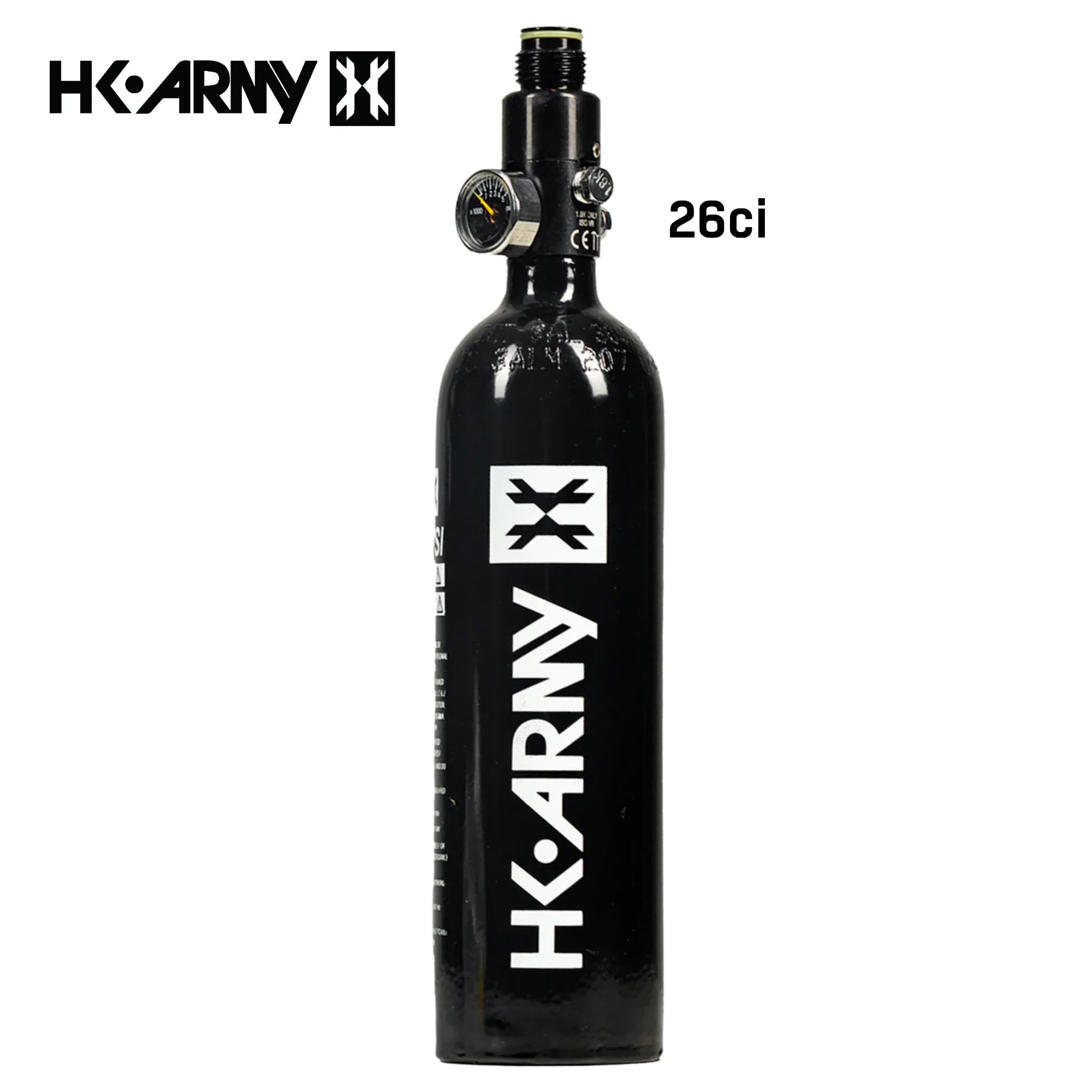
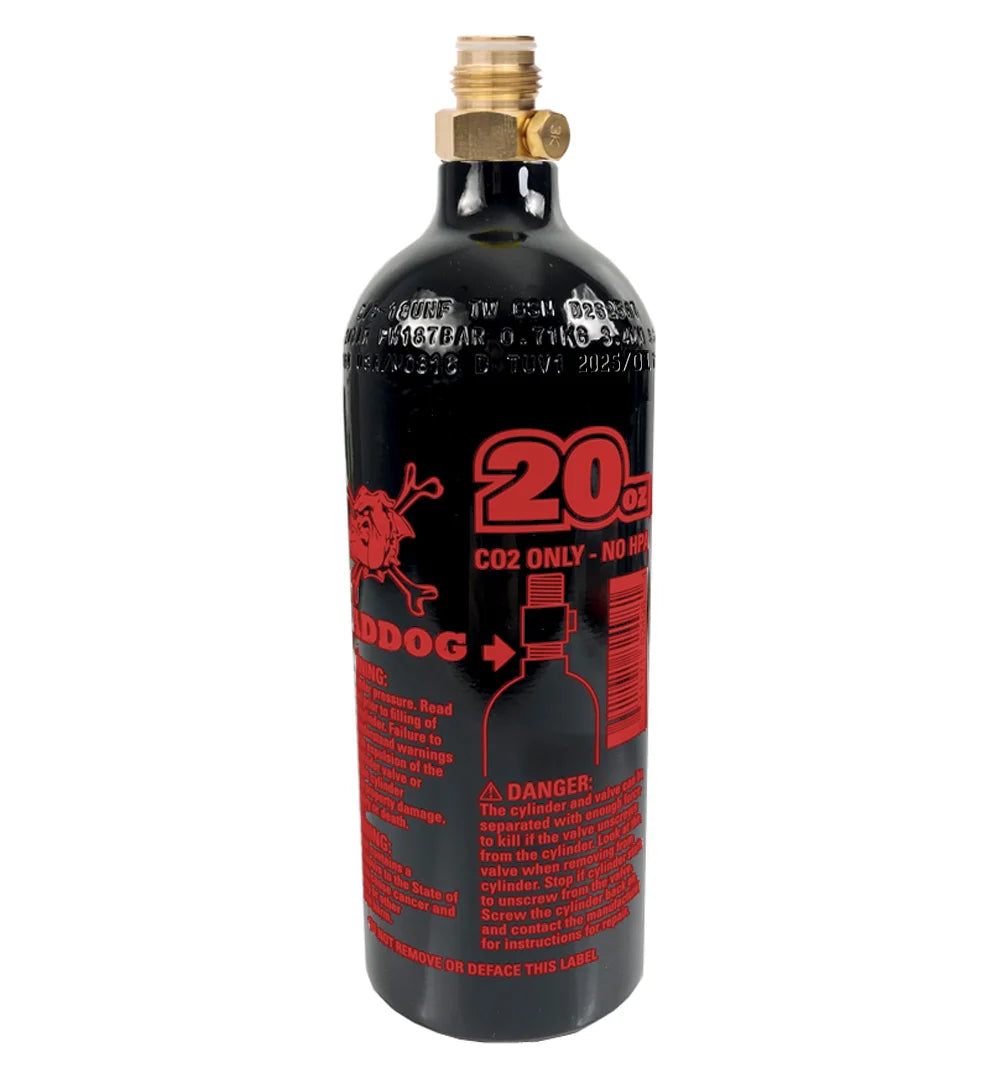
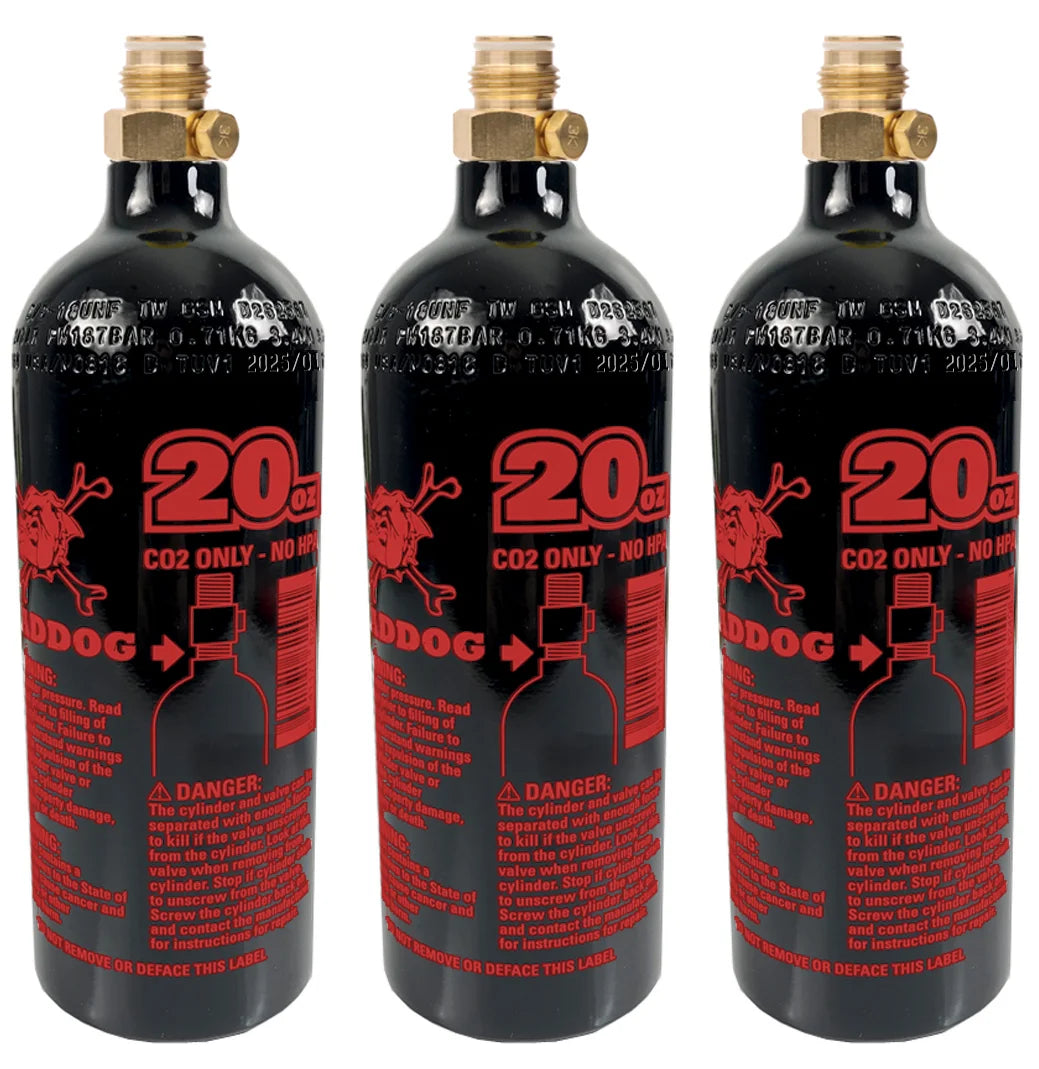
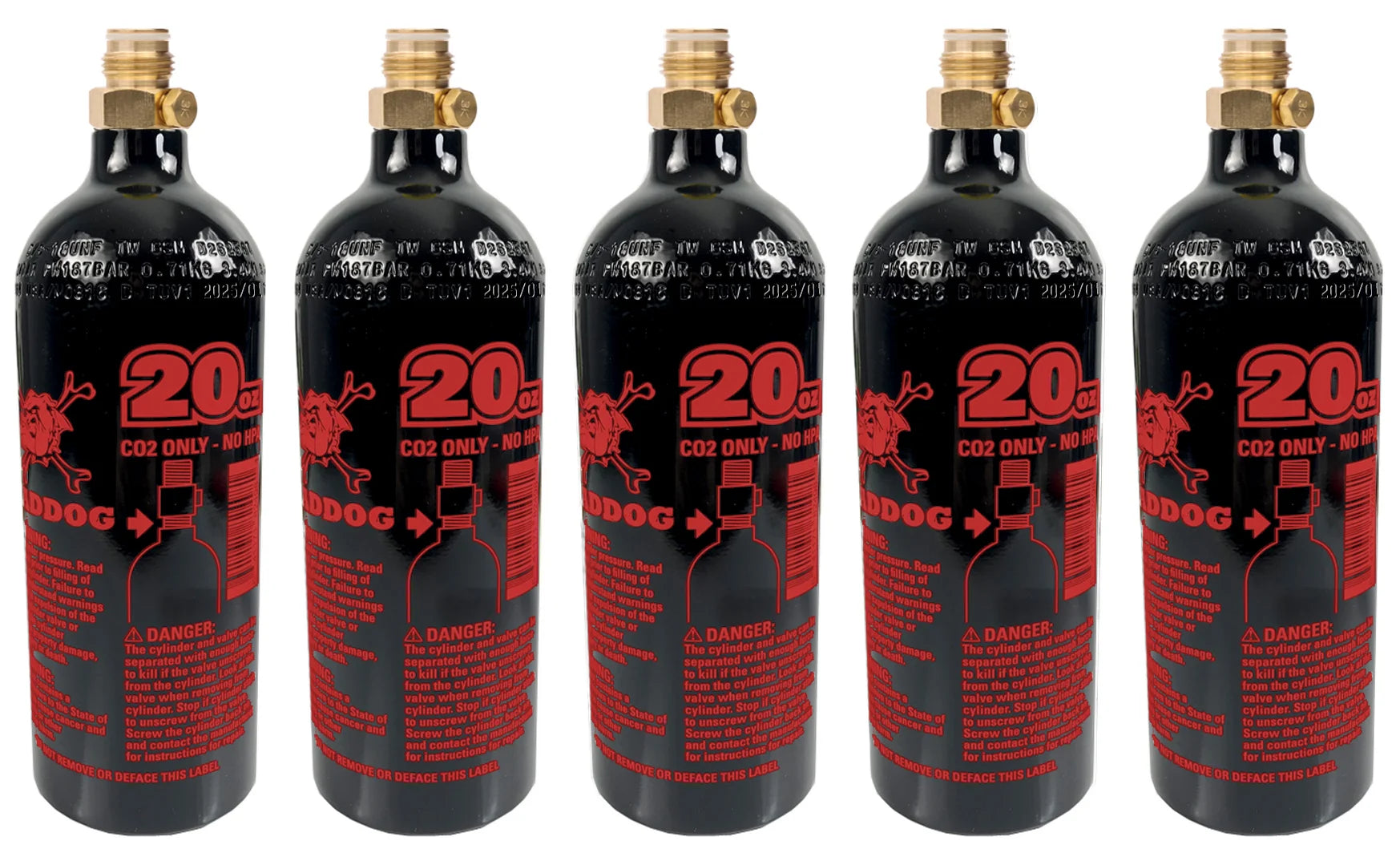
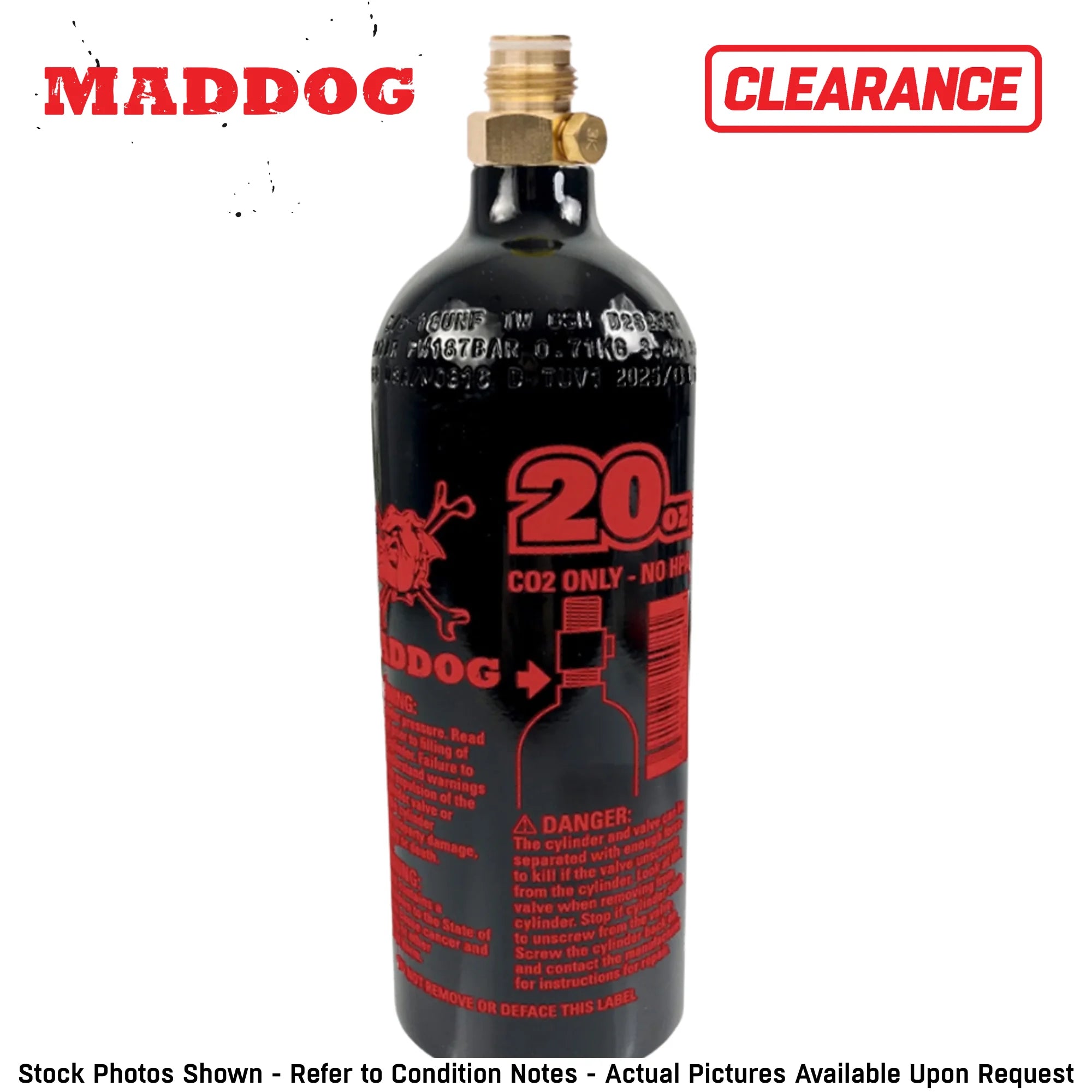
A standard paintball CO2 tank stores compressed liquid carbon dioxide that expands into gas when the marker fires. These tanks are commonly available in 12g cartridges or refillable bottles such as 20-ounce models. The design is simple and durable, making it a practical choice for beginners who are getting familiar with the basics of air paintball equipment.
Most CO2 tanks use a sturdy aluminum construction to safely withstand pressure. While heavier than carbon fiber models, these tanks remain durable and affordable. For players who prefer an alternative to carbon systems or primarily play recreational games, these tanks are a dependable solution.
CO2 systems work well with many beginner-level markers from brands like Tippmann, which are built to operate efficiently with CO2. Because of their affordability, they are commonly used in rental fleets and beginner paintball and airsoft environments.
However, while CO2 is widely available at many fields and fill stations, players should understand that temperature changes influence performance. This is one reason many experienced players eventually upgrade to compressed air tanks with more stable pressure output.
HPA Tanks: Consistent Pressure for Serious Players
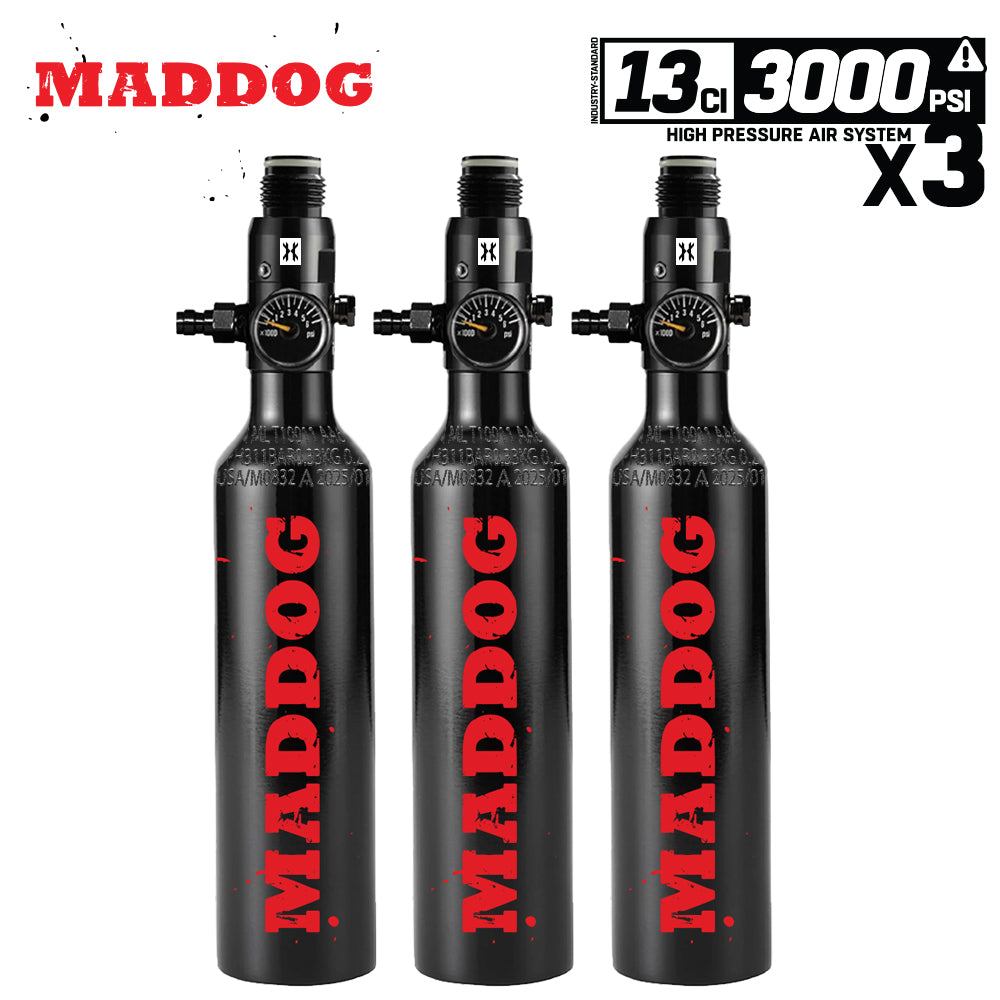
For players who love maximum consistency, a paintball air tank with High-Pressure Air (HPA) is typically the most preferred choice. HPA systems store breathable high-pressure air rather than liquid CO2, so they deliver stable output pressure with every shot.
Most modern paintball air system setups rely on an integrated regulator to reduce the tank’s internal pressure to a level safe for the marker. Advanced pro regulators maintain consistent velocity and protect internal marker components.
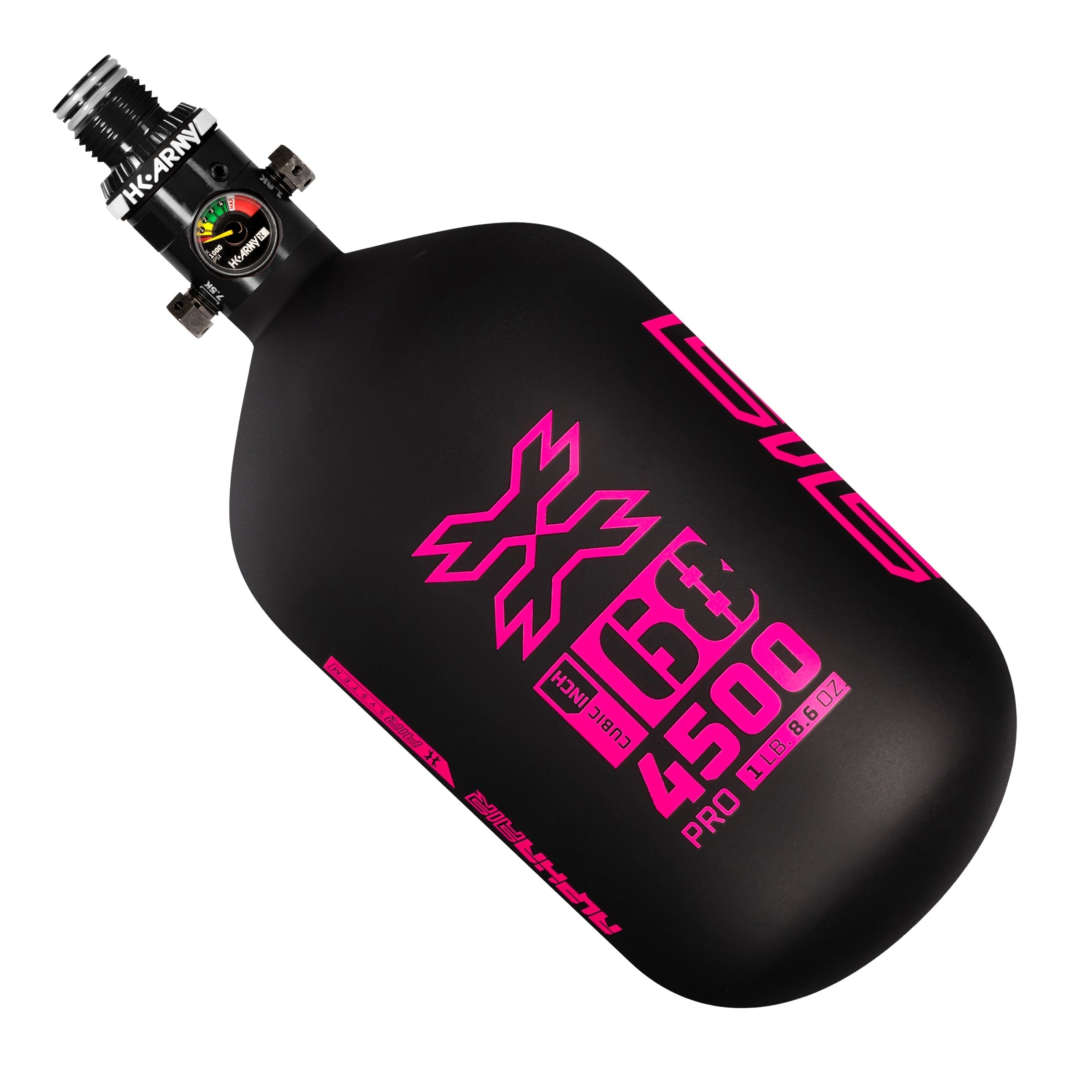
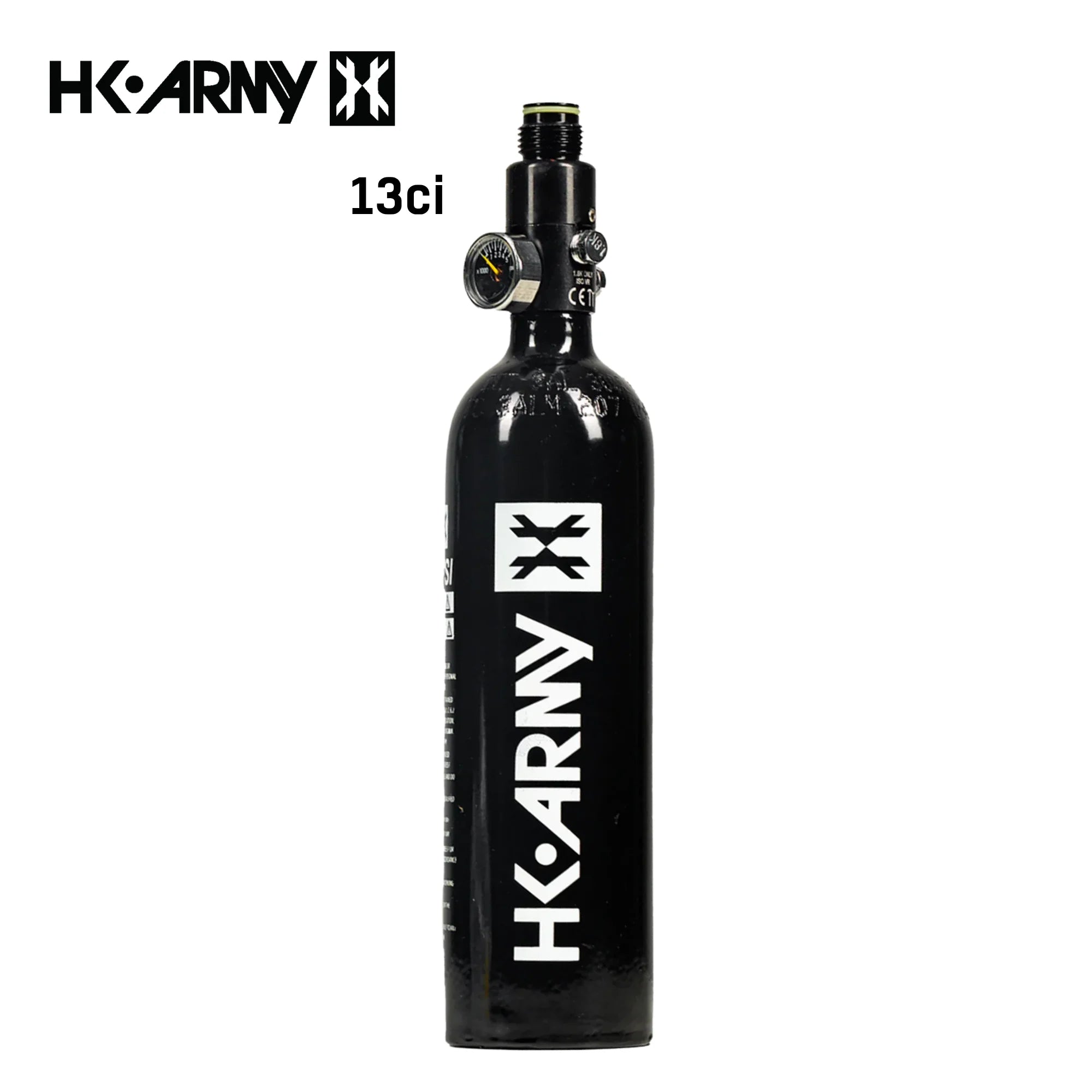
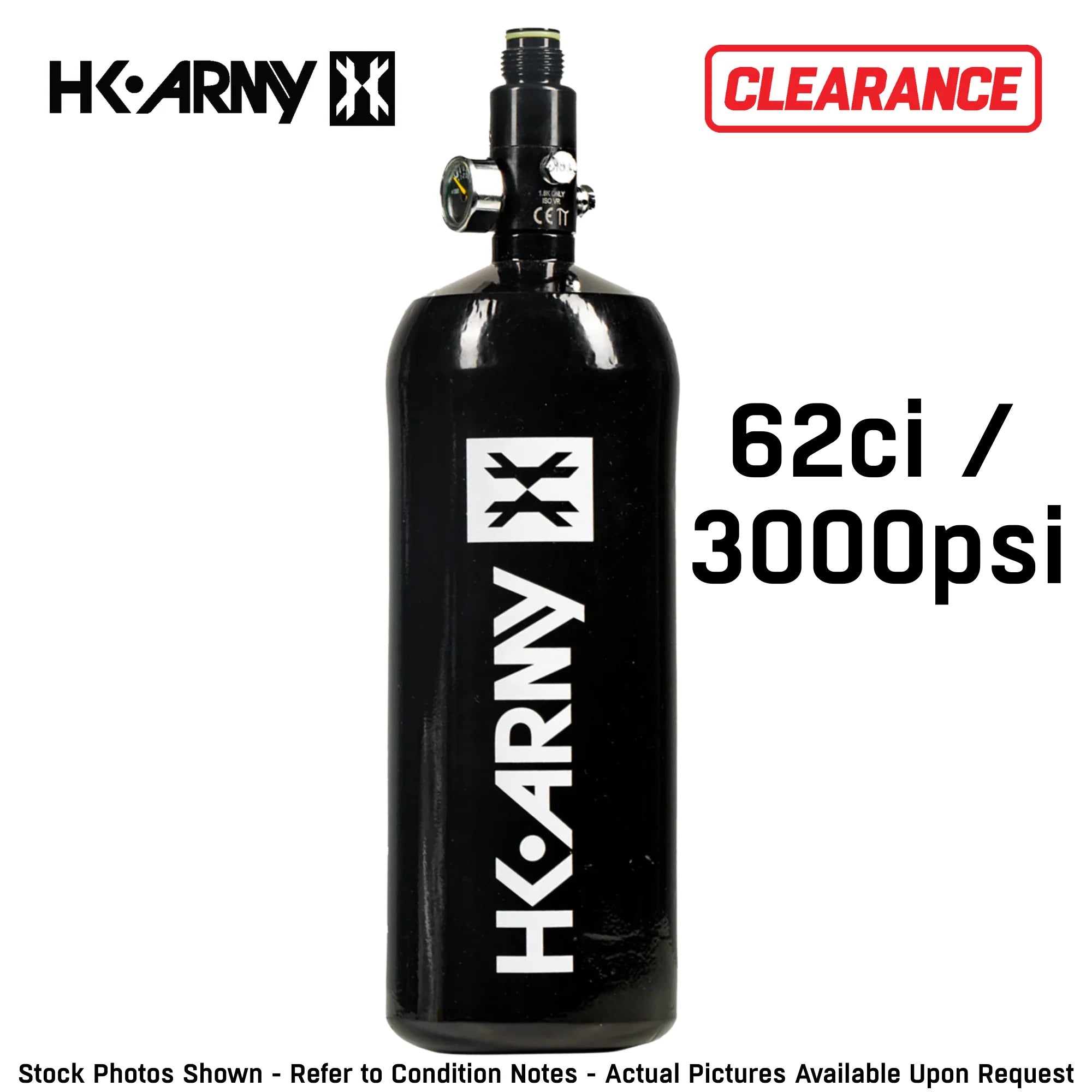
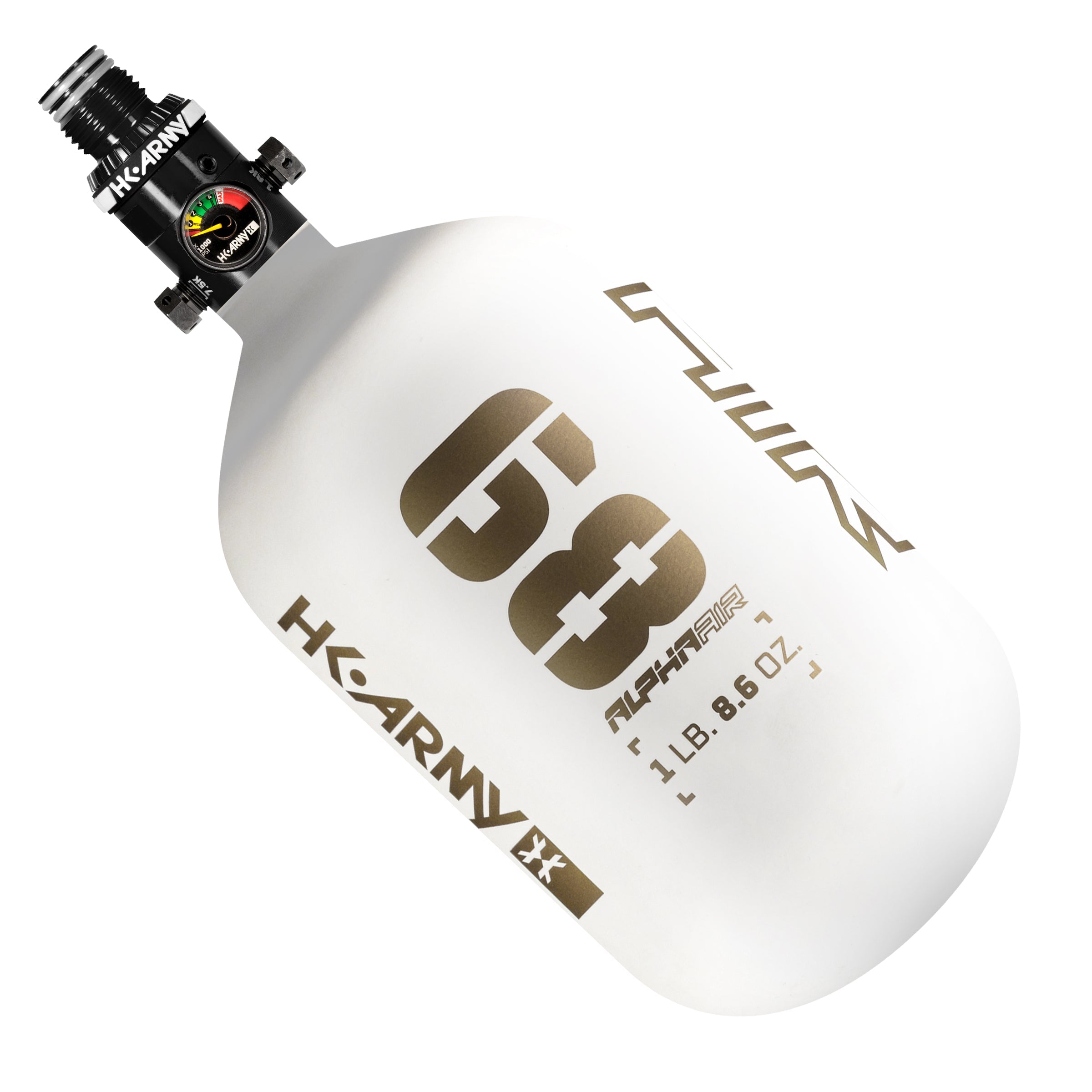
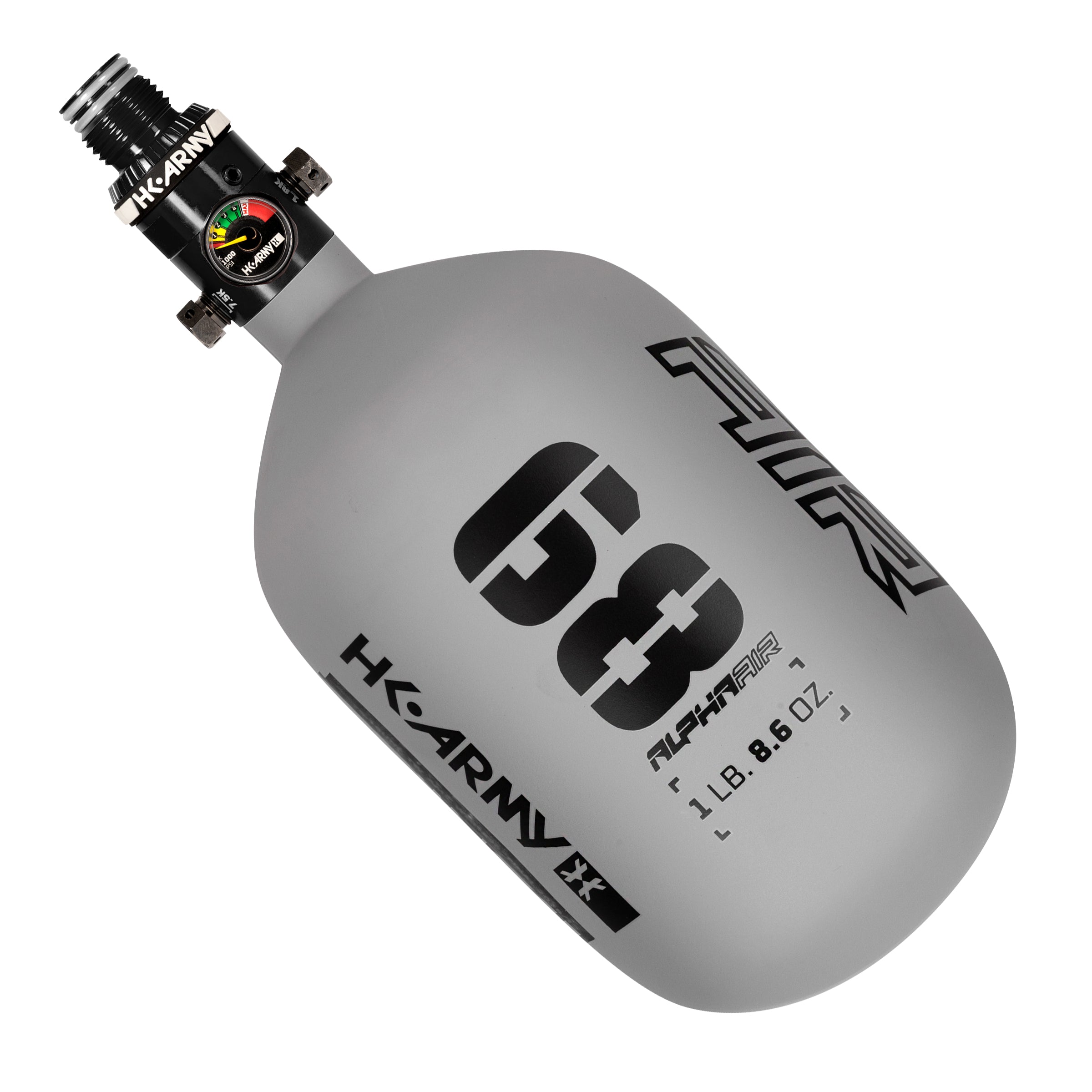
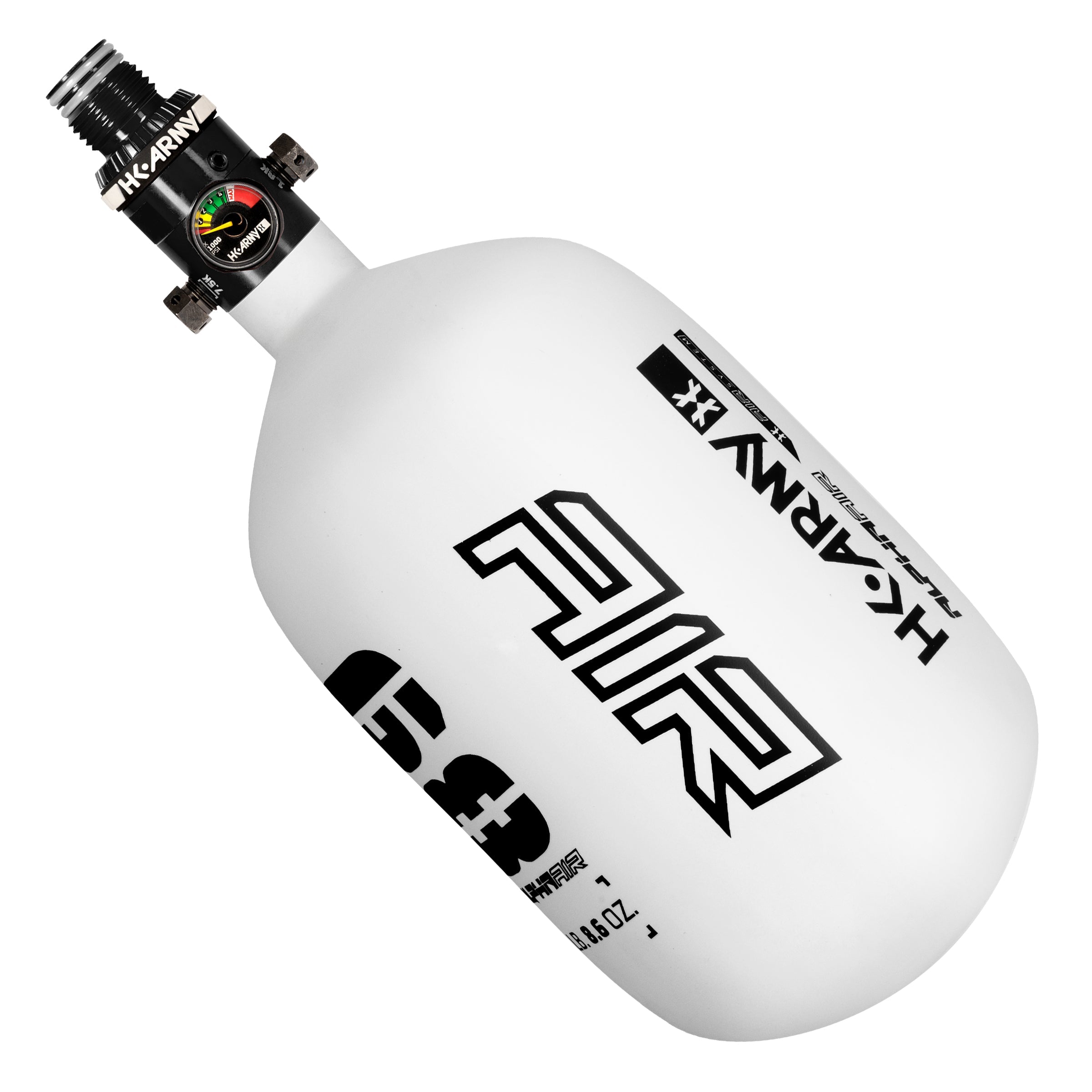
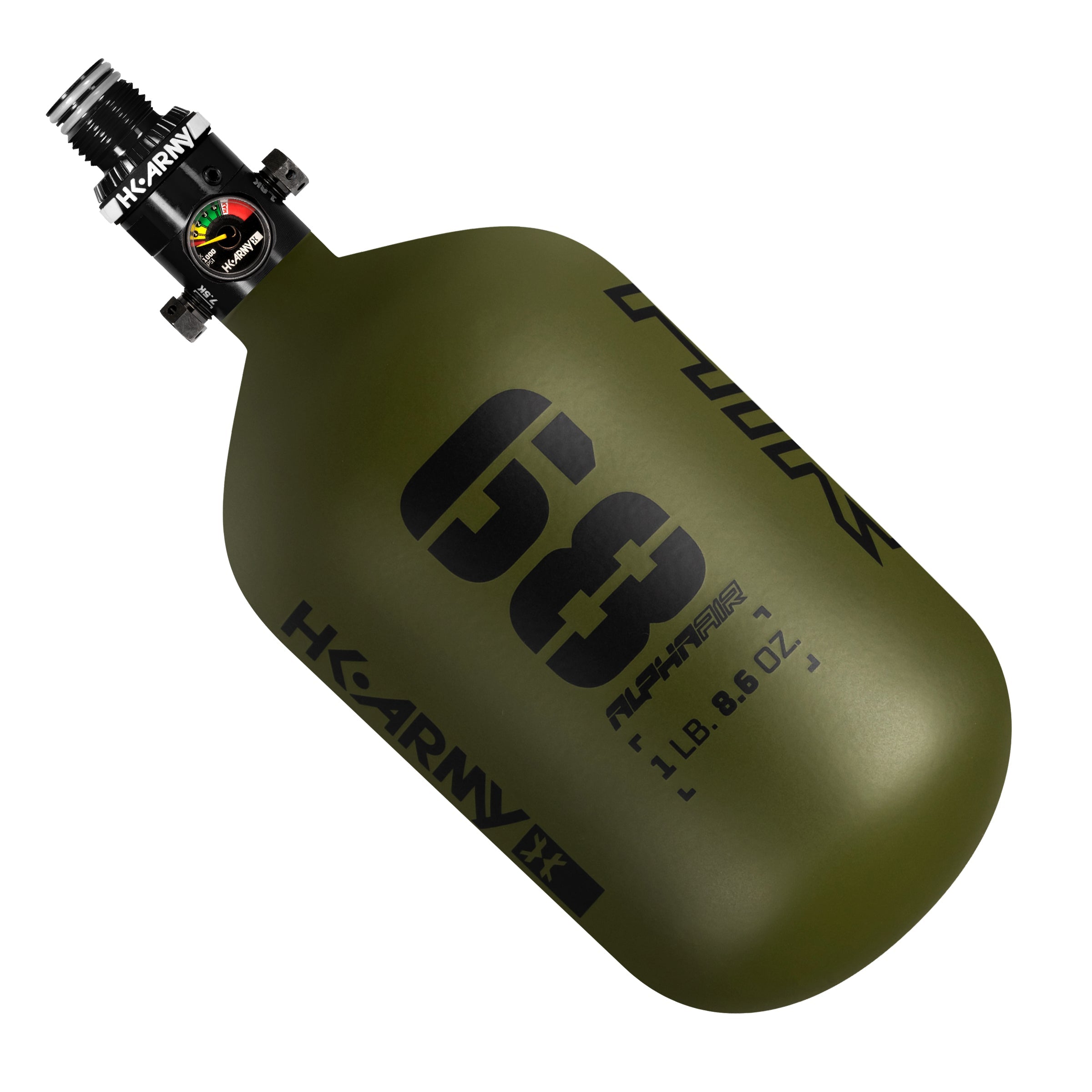
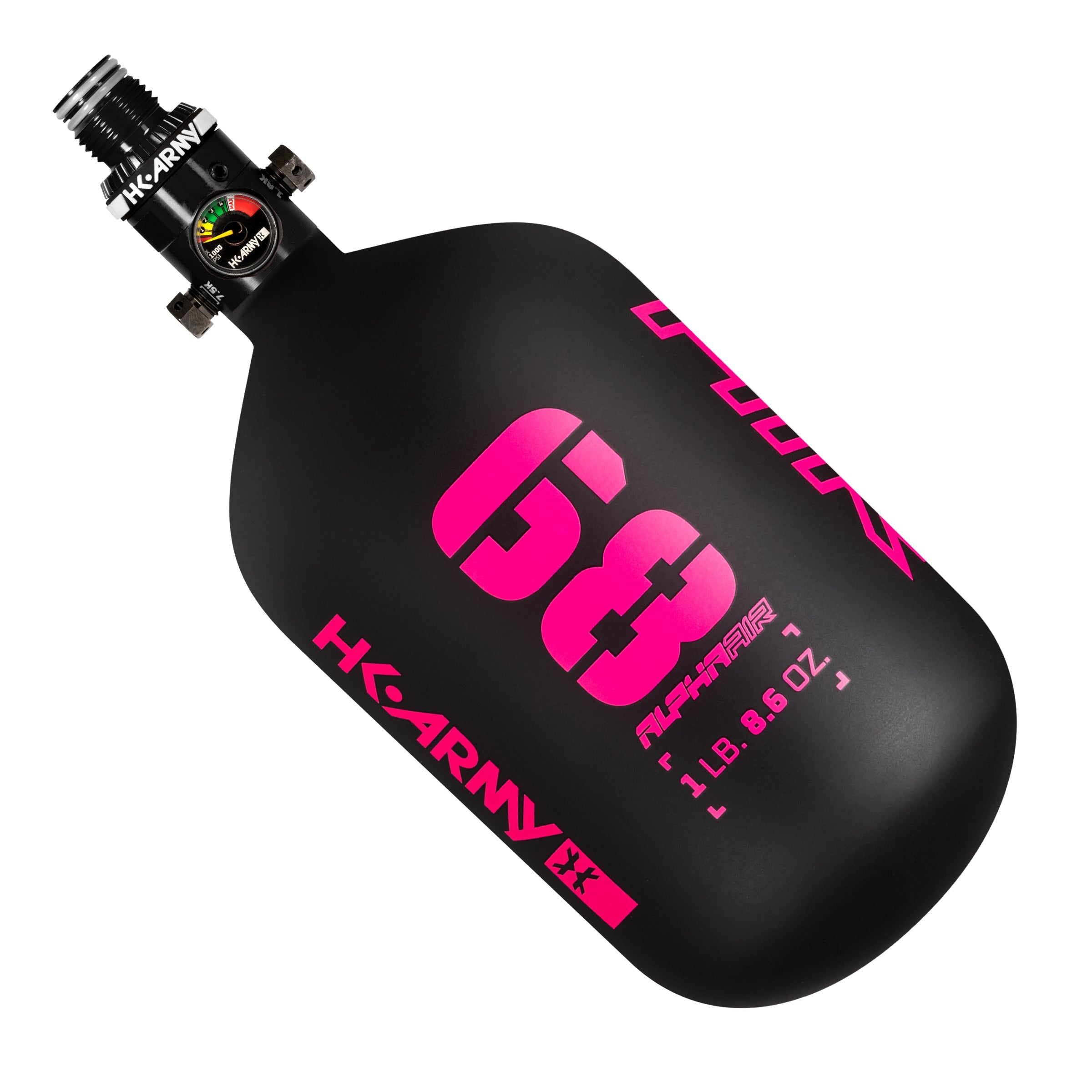
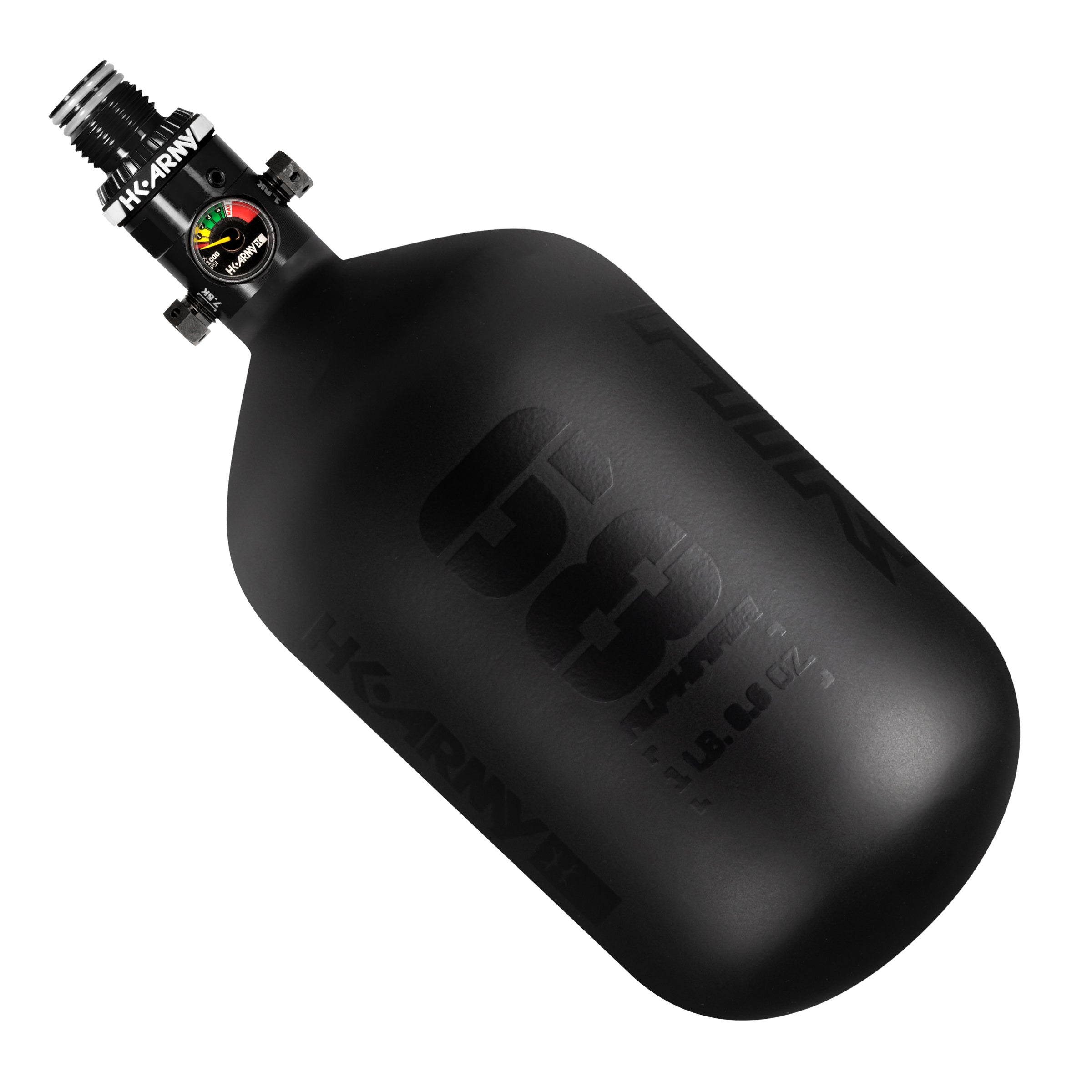
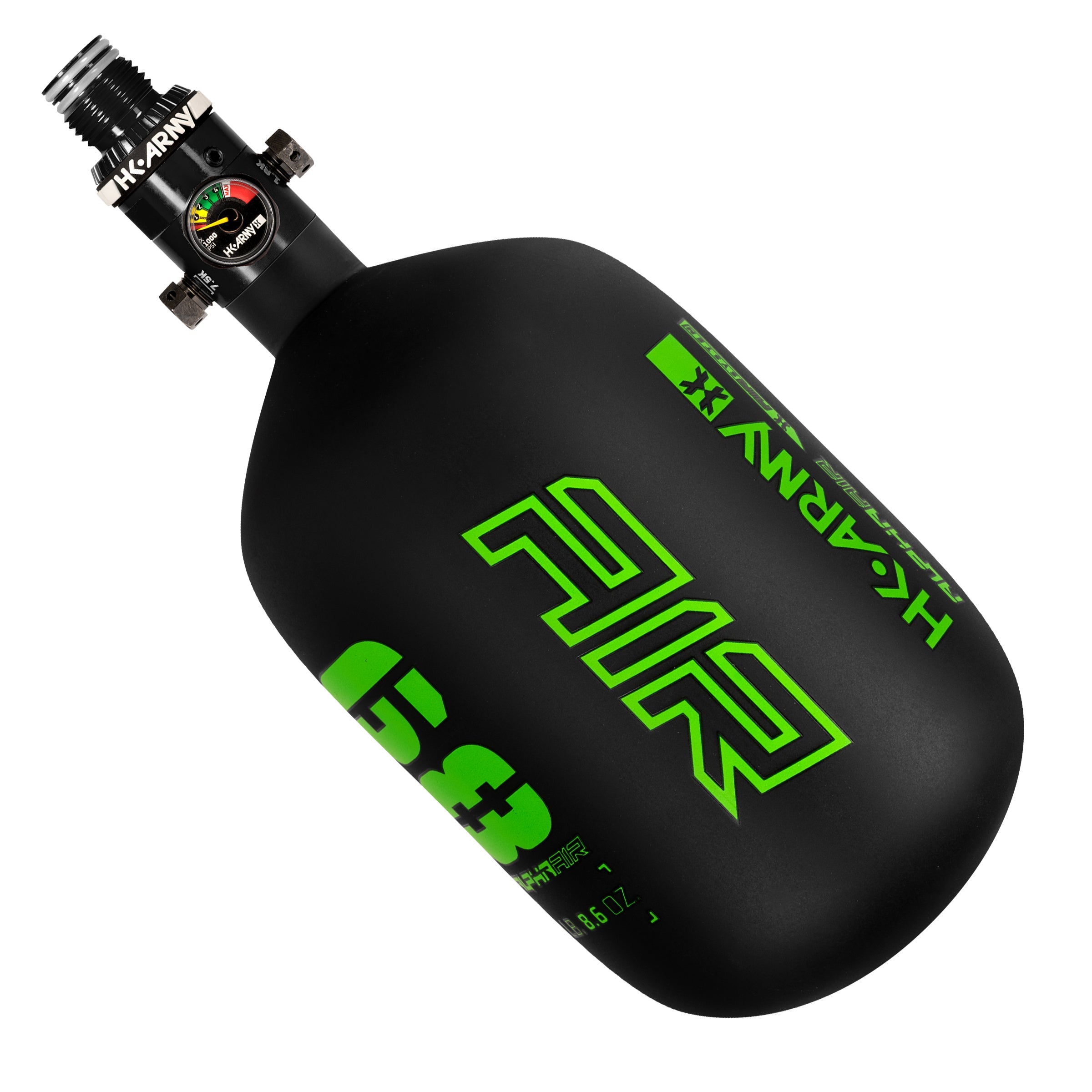
Many competitive players use lightweight carbon-fiber tanks rated to 4500 PSI. These carbon fiber tanks hold more air than traditional aluminum bottles and are significantly lighter. Models like the HK Army Alpha, Army Alpha Air, and HK Army Aerolite showcase how modern fiber construction improves durability and performance.
HPA tanks are compatible with almost all modern markers and are widely supported at paintball fields with high-capacity stations where refills can take place safely.
Typical Tank Sizes Used in Paintball
Some of the most common sizes used in modern paintball air systems include:
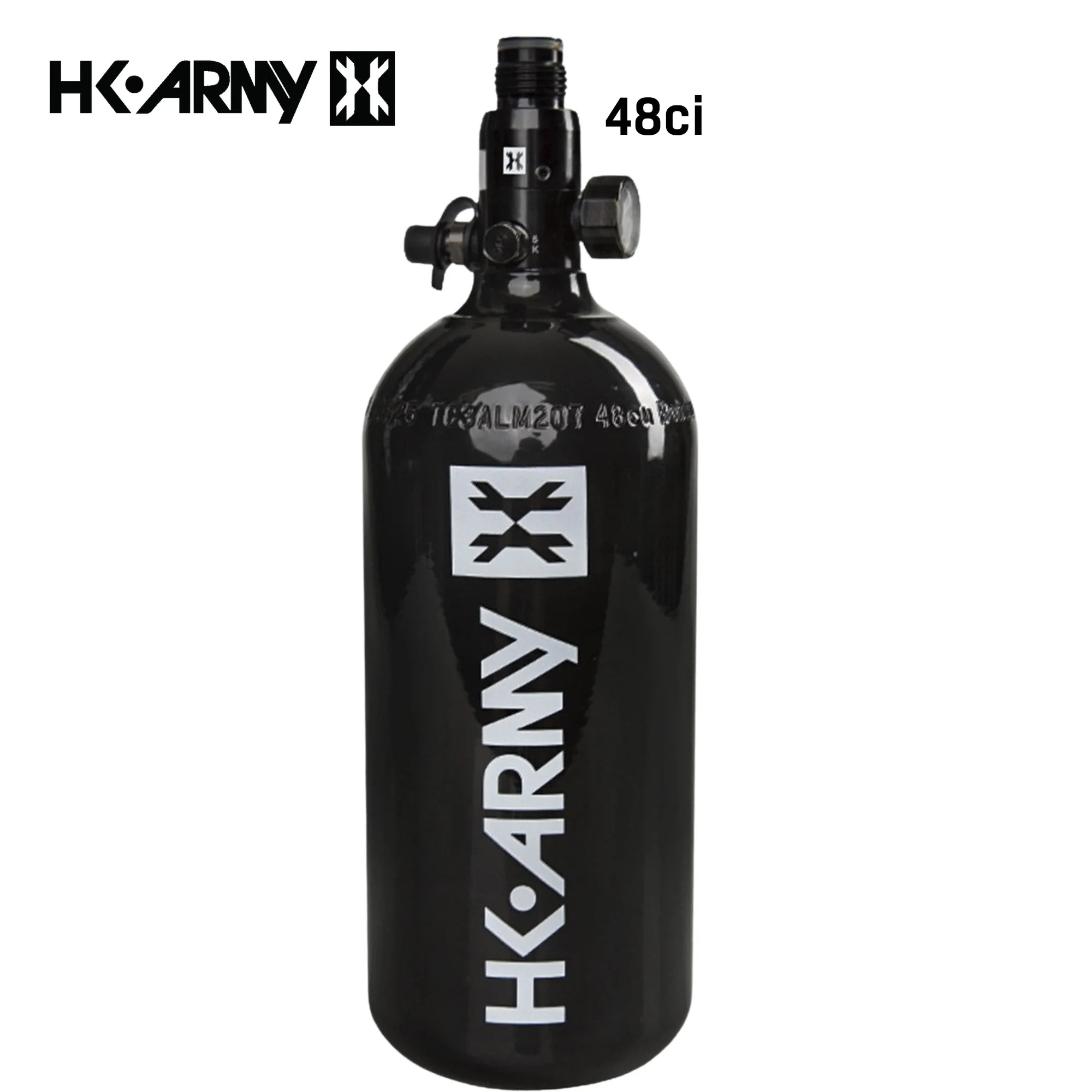
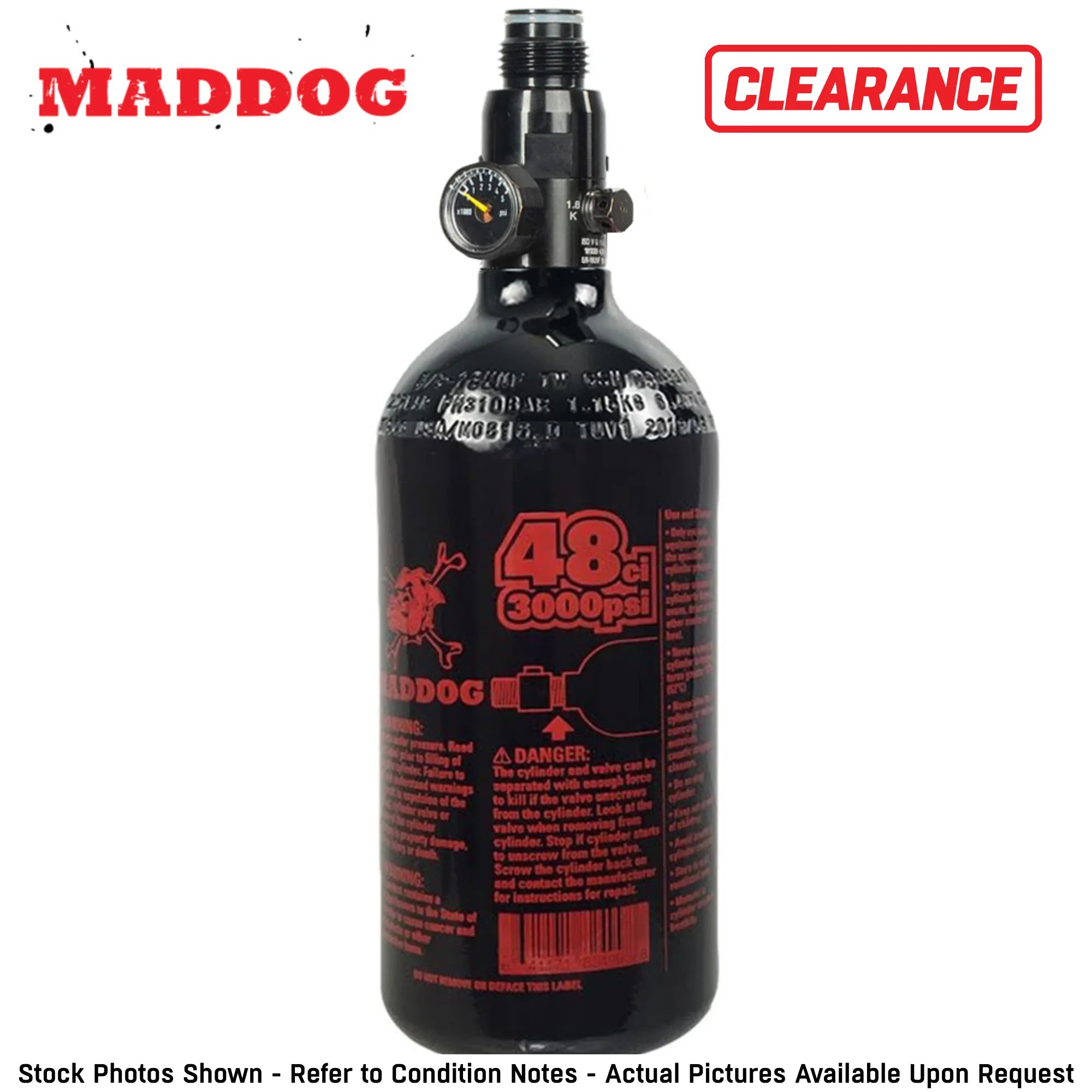
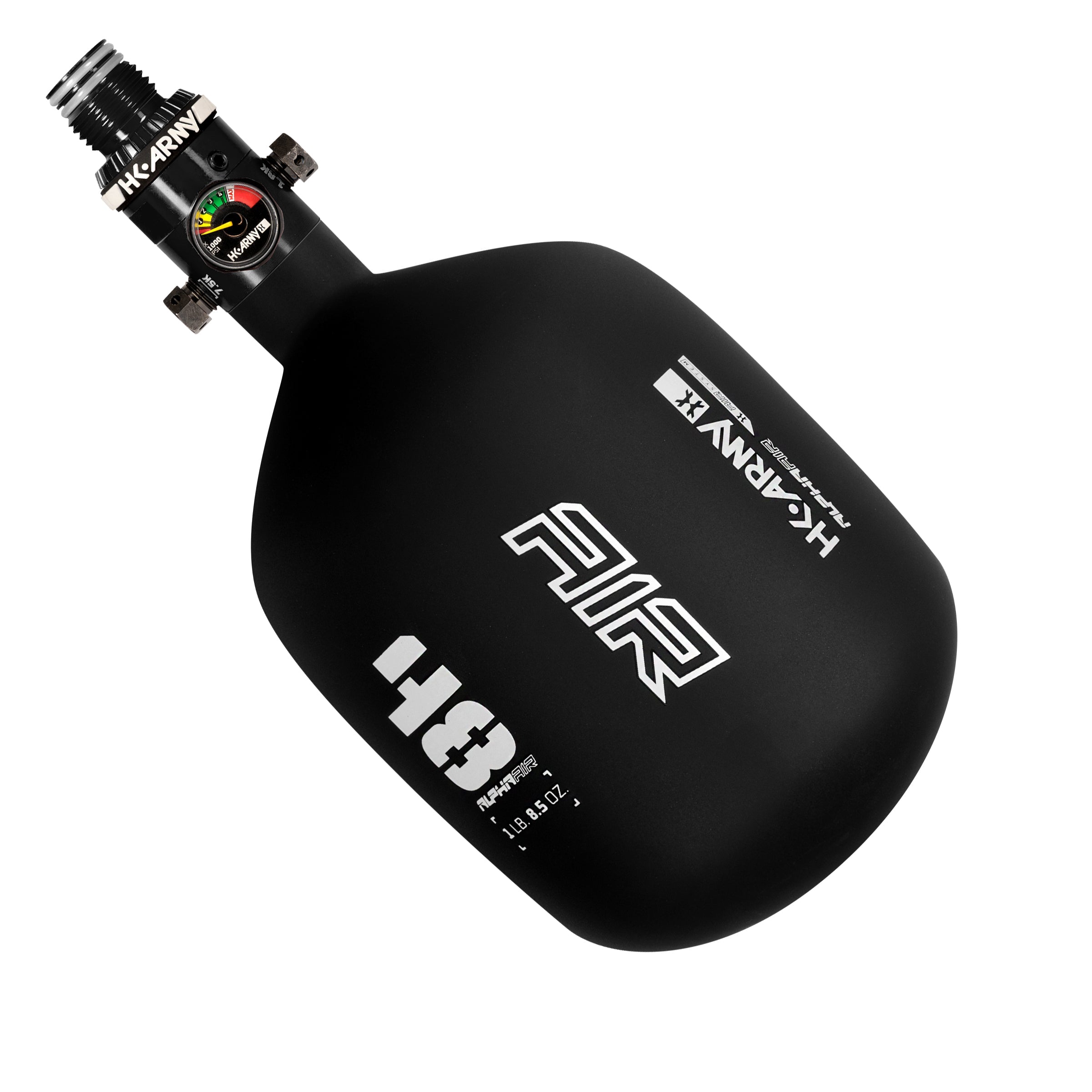
- 48/3000 – A compact and affordable aluminum tank often used by beginners or recreational players.
- 68/4500 – One of the most popular tank sizes that offers a balance between weight and air capacity.
- 77/4500 – Provides additional air capacity while still maintaining a manageable weight.
- 88/4500 – A larger tank for players who want maximum shot count during longer games.
Carbon Fiber vs Aluminum Paintball Tanks
How do you choose between carbon fiber and aluminum for your tank? Both options power your marker effectively, but they serve different needs depending on your playing style, budget, and how long you stay on the field during a game.
As an aluminum tank is typically the most affordable option, it is often the first paintball bottle many players own. Extremely durable and able to withstand rough use, they are frequently used in rental fleets and beginner setups. They usually operate at lower pressure ratings, often around 3000 PSI, and rely on a built-in regulator to reduce pressure to a safe level for your paintball gun. Because aluminum tanks are heavier, they may feel more noticeable during longer matches, but they remain a reliable choice for casual play and air systems for beginners.
Carbon-fiber tanks, on the other hand, are designed for higher performance and lighter weight. They use a metal core wrapped with composite fiber, so they can safely store pressure air up to 4500 PSI. The lighter construction makes them easier to carry throughout a full day of games, especially if you are running multiple pods or playing in tournaments where mobility matters.
Another advantage of carbon-fiber tanks is their increased air capacity. Because they hold more air than standard aluminum air bottles, they provide significantly more shots before visiting refill stations. This makes them perfect for scenario events and long matches when reducing downtime matters.
Ultimately, both tank types serve a purpose within modern paintball air systems. Aluminum tanks are rugged and affordable, while carbon fiber tanks provide lighter weight and greater capacity for serious players who want to maximize the performance of their paintball air system.
Safety and Durability: Built for the Field
Every paintball bottle must withstand high internal pressure and endure rough conditions. Tanks are typically manufactured using either reinforced aluminum or layered fiber composites.
Modern carbon fiber tanks consist of an inner metal liner wrapped in strong composite-fiber layers. This construction allows them to store extremely high-pressure air while reducing overall weight.
Each tank includes key safety features, such as a fill nipple, pressure gauge, and reliable regulator assembly. These components work together for safe operation and stable airflow during gameplay.
Players add protective tank covers or a durable tank cover to protect the outer shell from scratches or impact damage. Many players can also carry their tanks inside gear bags to protect them during transport, along with other gear such as loaders, pods, barrel covers, and other tank accessories.
Choosing the Right Tank for Your Setup
Selecting the right paintball air tank depends on several factors, including your marker, play style, and preferred weight balance.
Players using entry-level markers may choose an aluminum air setup for affordability. These aluminum tanks are rugged and easy to maintain.
Competitive players often prefer lightweight fiber air tank options. These advanced carbon fiber systems provide longer play time between refills and reduce fatigue during extended matches.
At Mad Dog Sports, we provide detailed product information to help you make an informed decision. If you’re unsure which tank best suits your needs, our expert team is always here to answer any questions you may have.
Shop Paintball Tanks and Air Systems
Mad Dog Sports carries a wide selection of paintball air tanks, tanks, and related equipment that supports players of every level.
Every great paintball setup starts with dependable air power. From tough aluminum CO2 systems to lightweight carbon fiber tanks, the right equipment keeps your marker firing as expected. Whether you're upgrading a paintball gun tank, swapping out a worn regulator, or putting together a complete paintball air system, reliable gear keeps you ready for every match.
Browse our collection and place your order today!