







Power your marker with confidence with high-performance HPA paintball tanks that deliver consistency, durability, and longer playtime. Whatever your paintball intentions are, the right air tank makes a major difference in reliability and shot consistency. At Mad Dog Sports, players choose from aluminum options and carbon fiber systems based on their play style, budget, and marker setup.
Paintball relies on compressed air paintball propulsion to deliver consistent velocity and accurate shots. Compared with older CO2 setups, modern high-pressure air setups offer cleaner operation, stable performance across temperature changes, and predictable shot velocity. That reliability is why most modern paintball markers and tournament paintball marker platforms run exclusively on HPA air.
When choosing an air tank for a paintball gun, there are a few things worth understanding. Tanks are labeled with two numbers, such as 48/3000 or 68/4500. The first number refers to cubic-inch capacity, while the second represents the pressure rating. A larger paintball air tank holds more pressurized air, allowing more shots between fills.
Material also matters. Many beginner platforms have aluminum compressed-air designs, while performance setups rely on lightweight carbon fiber. Both styles carry a regulator that reduces the pressure coming from the tank to the safe working pressure required by your paintball gun.
At Mad Dog Sports, you’ll find a range of air paintball tanks, such as established models like the HK Army 48/3000 aluminum tank, HK Army Alpha 68/4500 systems, and popular Empire Mega Lite designs. These compressed air tanks work with most modern markers and are compatible with the standard reg output used across the sport.
Aluminum HPA Tanks - Budget-Friendly & Reliable
Aluminum tanks are one of the most common and accessible ways to power a paintball tank setup. These systems use durable aluminum air construction and a built-in pressure regulator to convert the tank’s internal pressure into usable air for your marker. Many beginners choose aluminum because they enjoy dependable performance without the higher cost of carbon fiber.
Most aluminum tanks use aluminum compressed construction rated for 3000 PSI. While they are slightly heavier than carbon fiber options, they remain extremely durable and cost-effective. This factor makes them a great choice for players who prefer reliability over ultra-lightweight.
Typical sizes include:
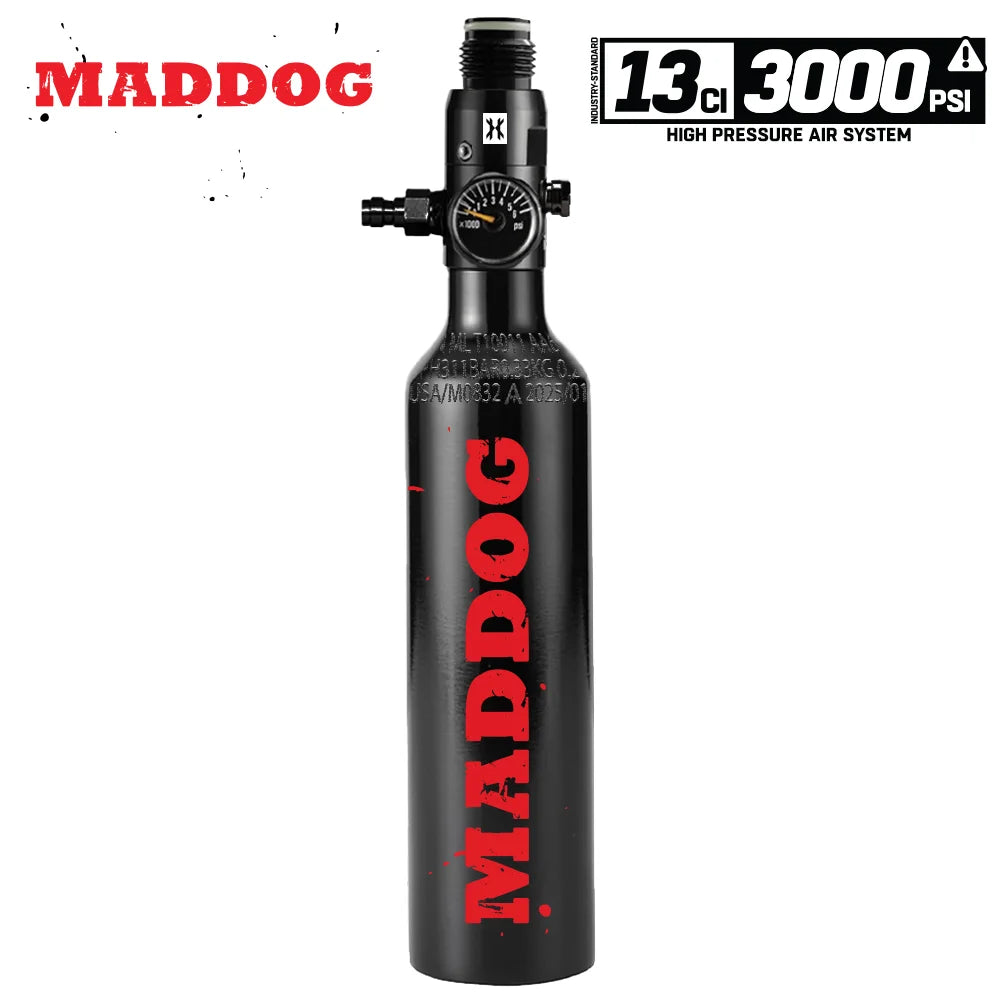
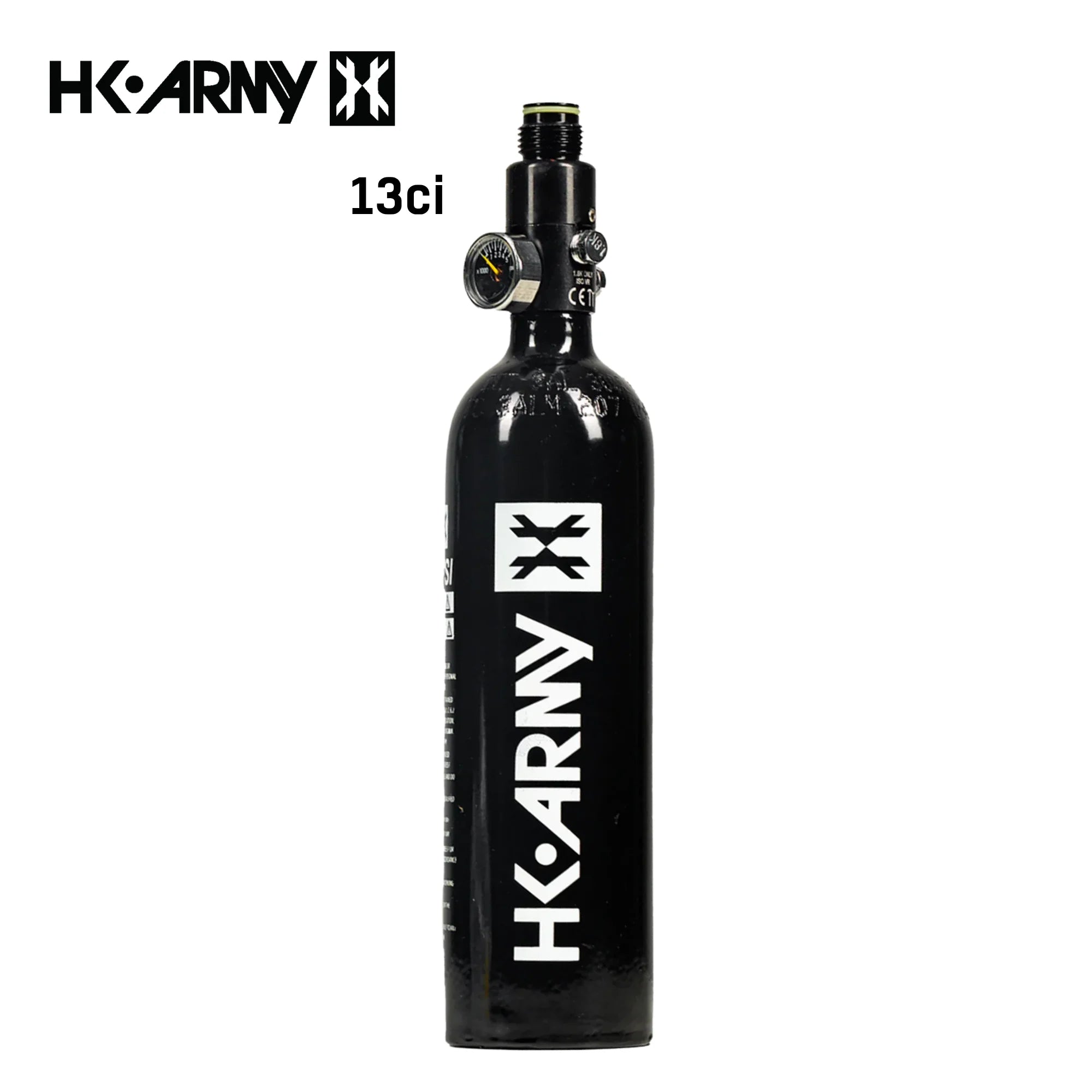
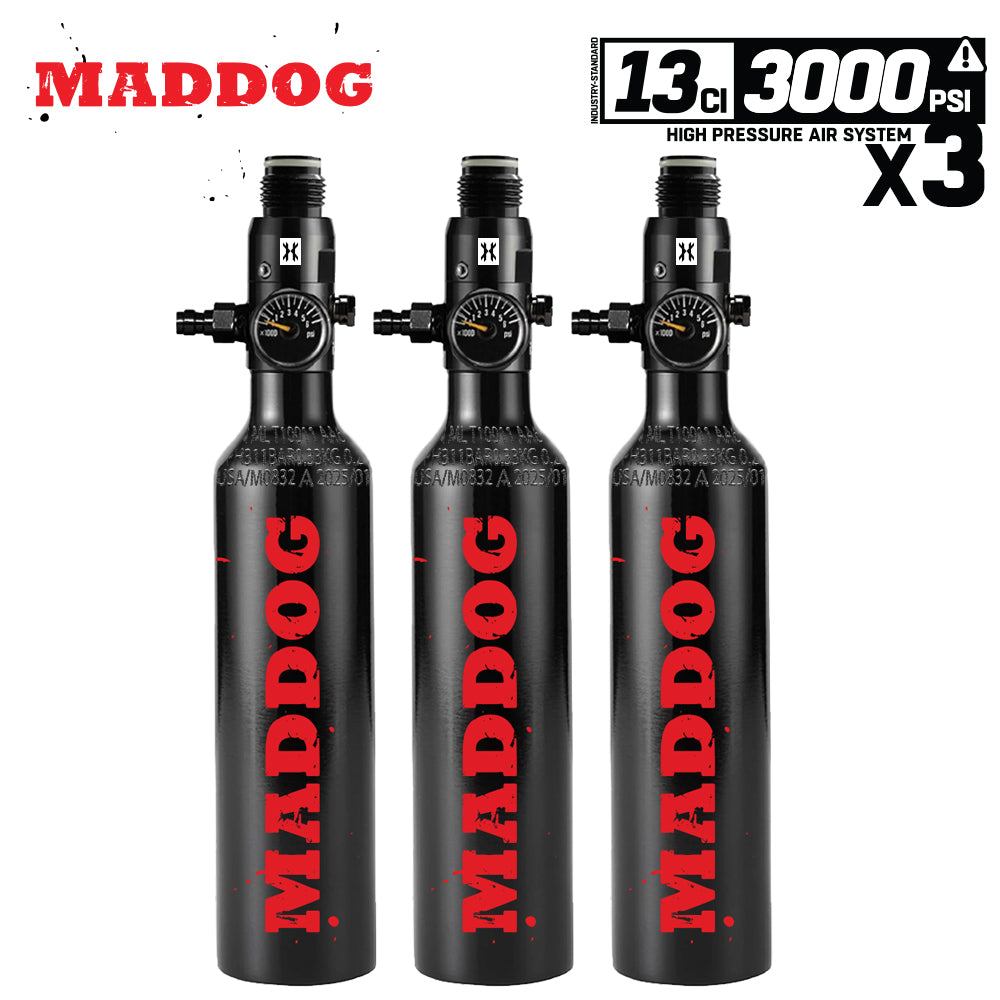
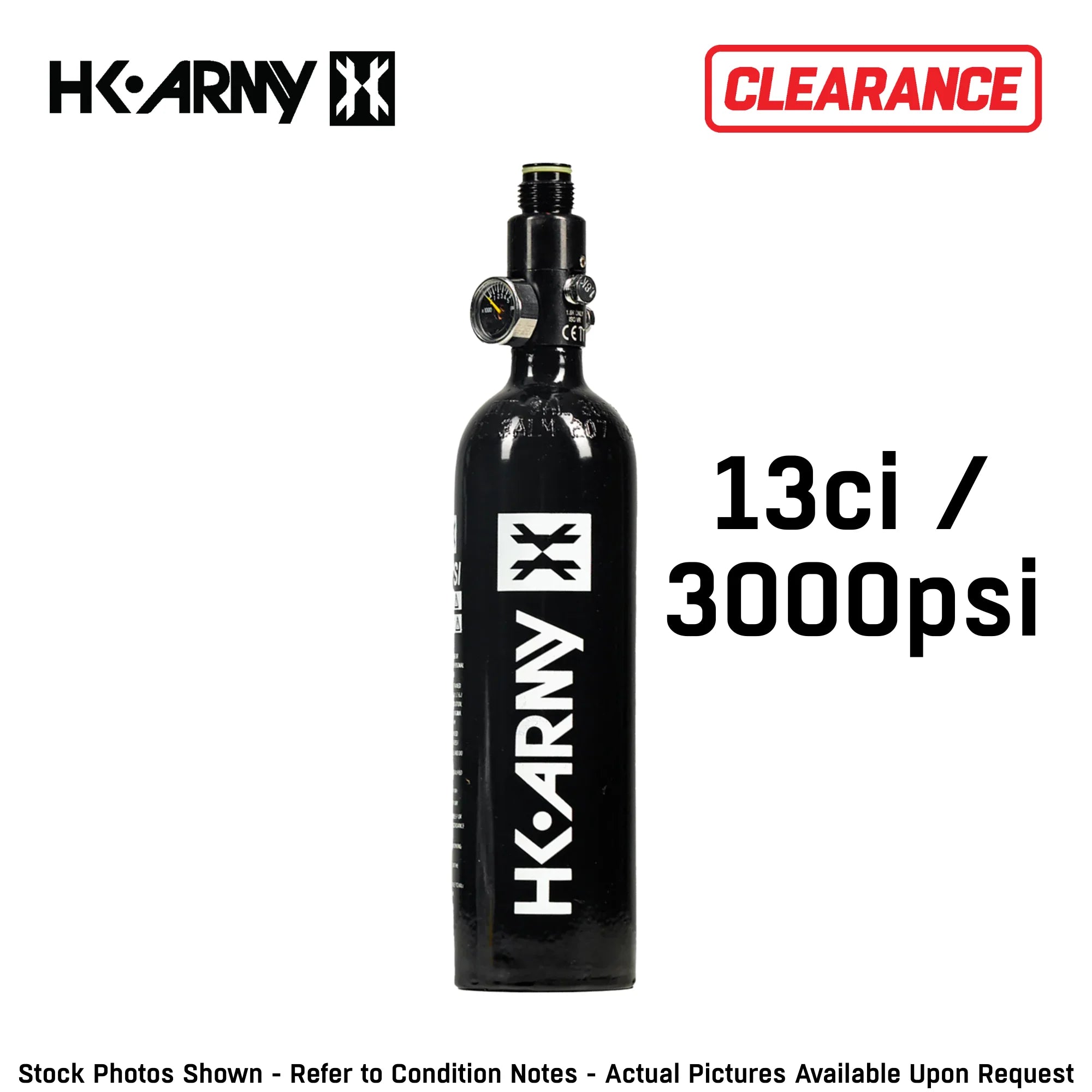
- 13ci Aluminum Tank – Ultra compact and lightweight, the 13ci option is for players who prioritize mobility and minimal carry weight. These tanks are frequently used for lightweight setups, backup fiber paintball rigs, or minimalist woodsball builds where reducing gear weight is important.
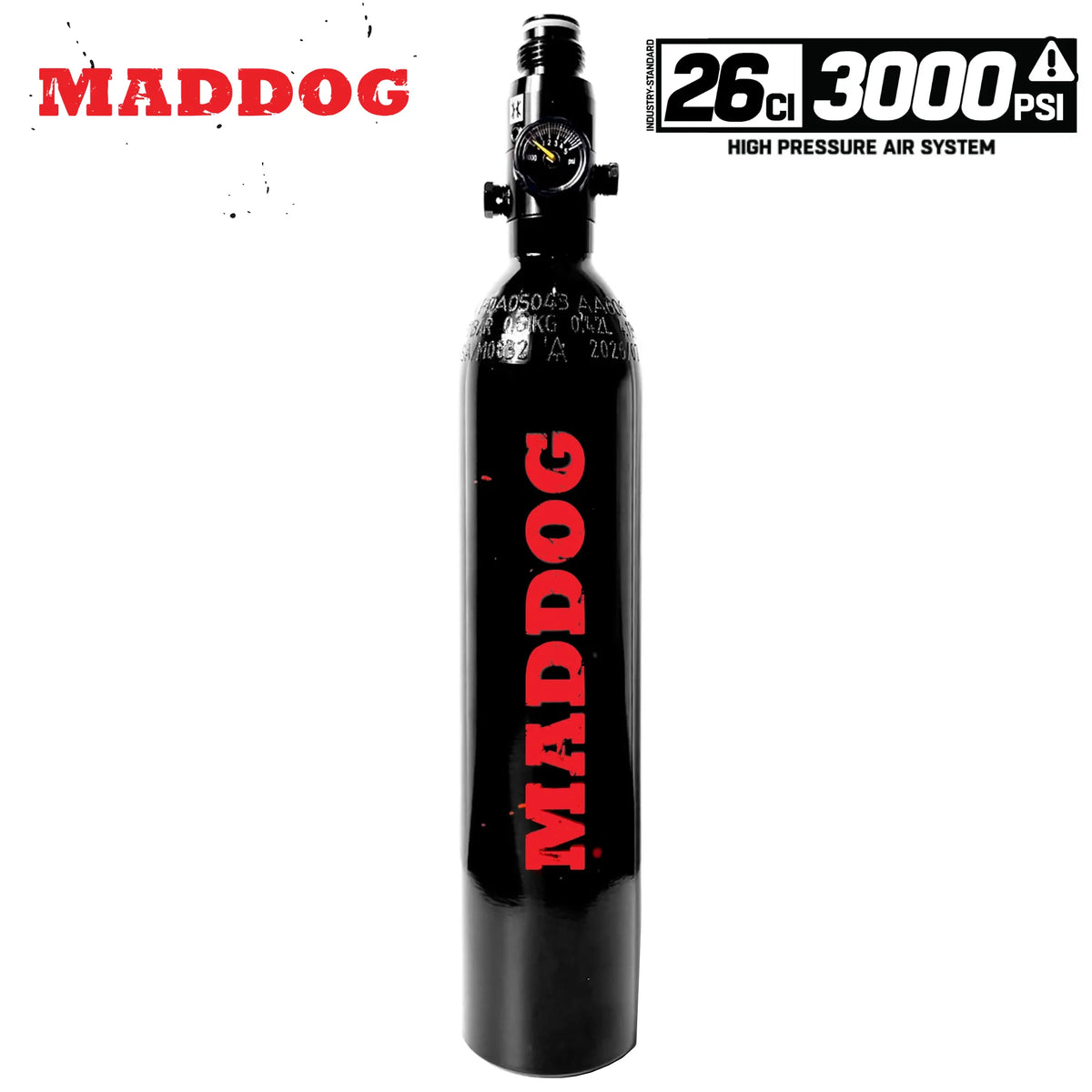
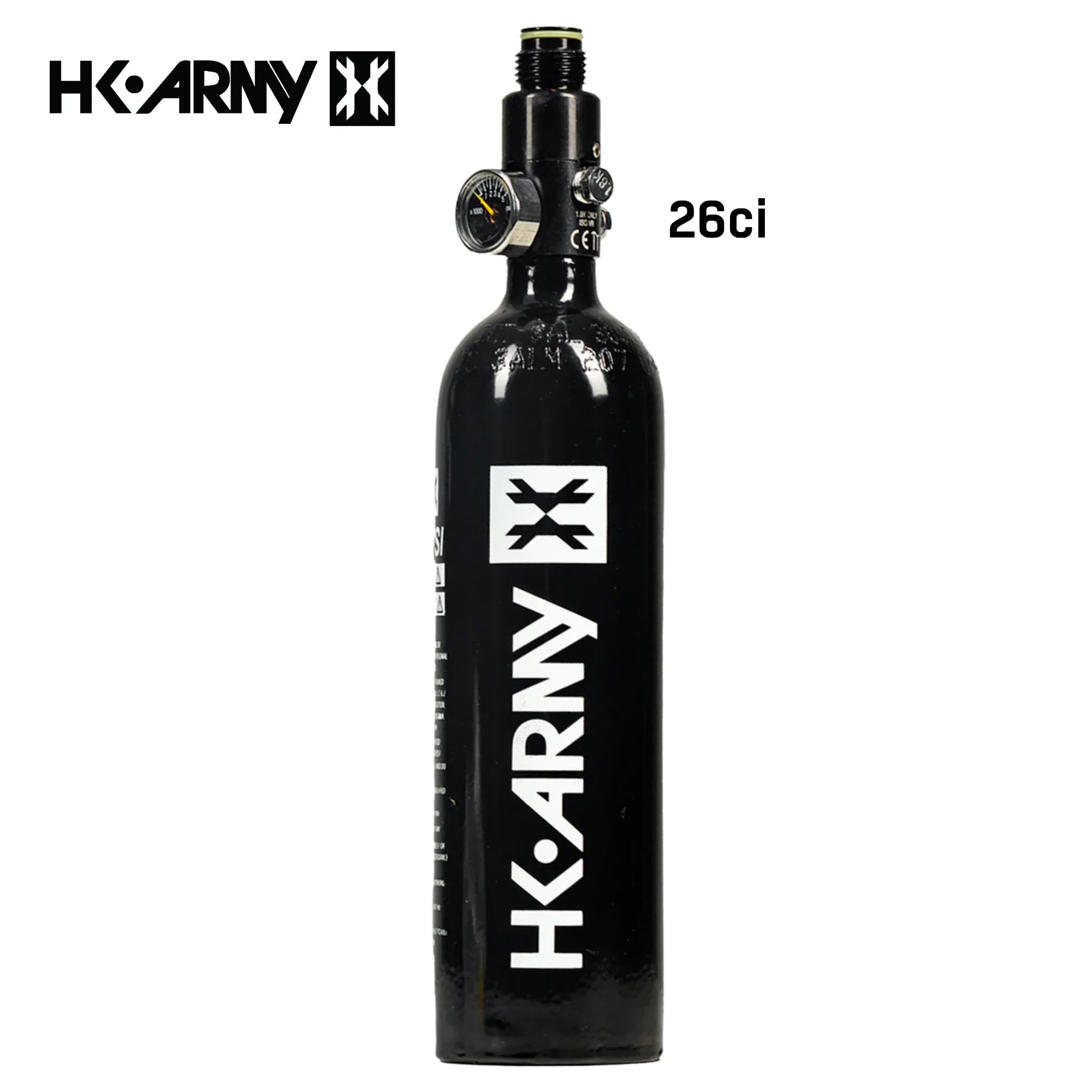
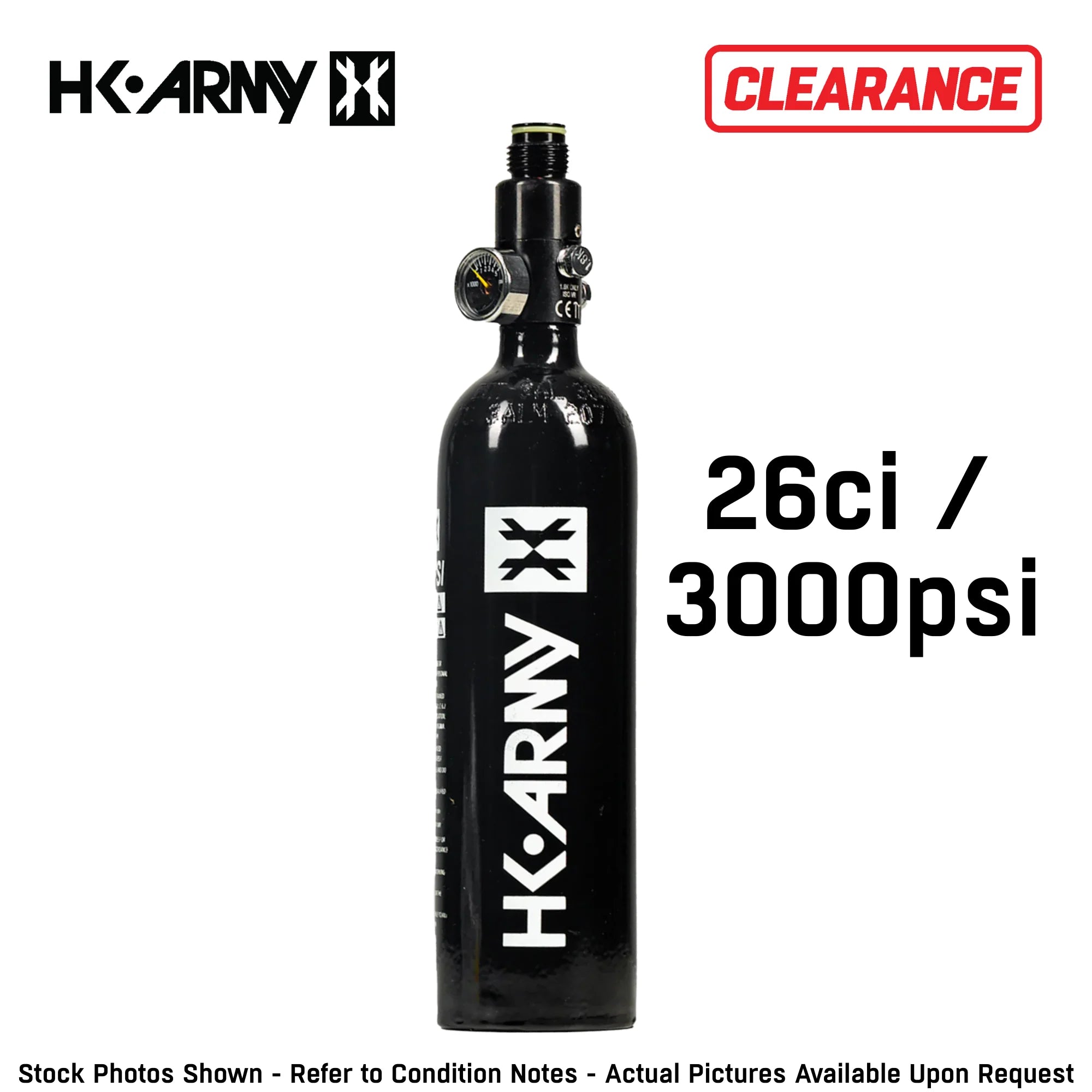
- 26ci Aluminum Tank – The 26ci tank provides a balanced everyday option. With increased capacity in smaller bottles, it delivers more shots per fill without adding unnecessary bulk. Many players use these setups in recreational paintball and airsoft environments.
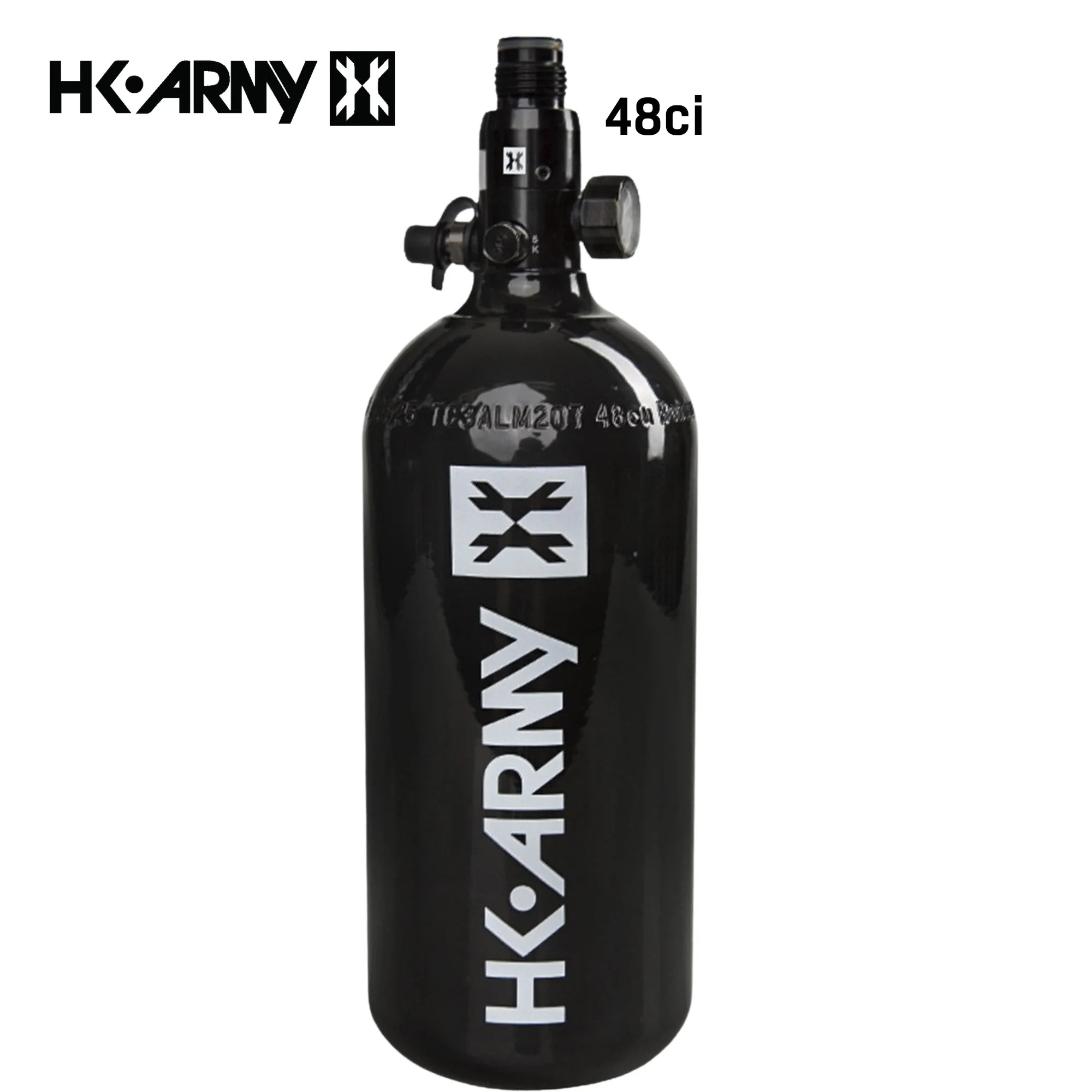
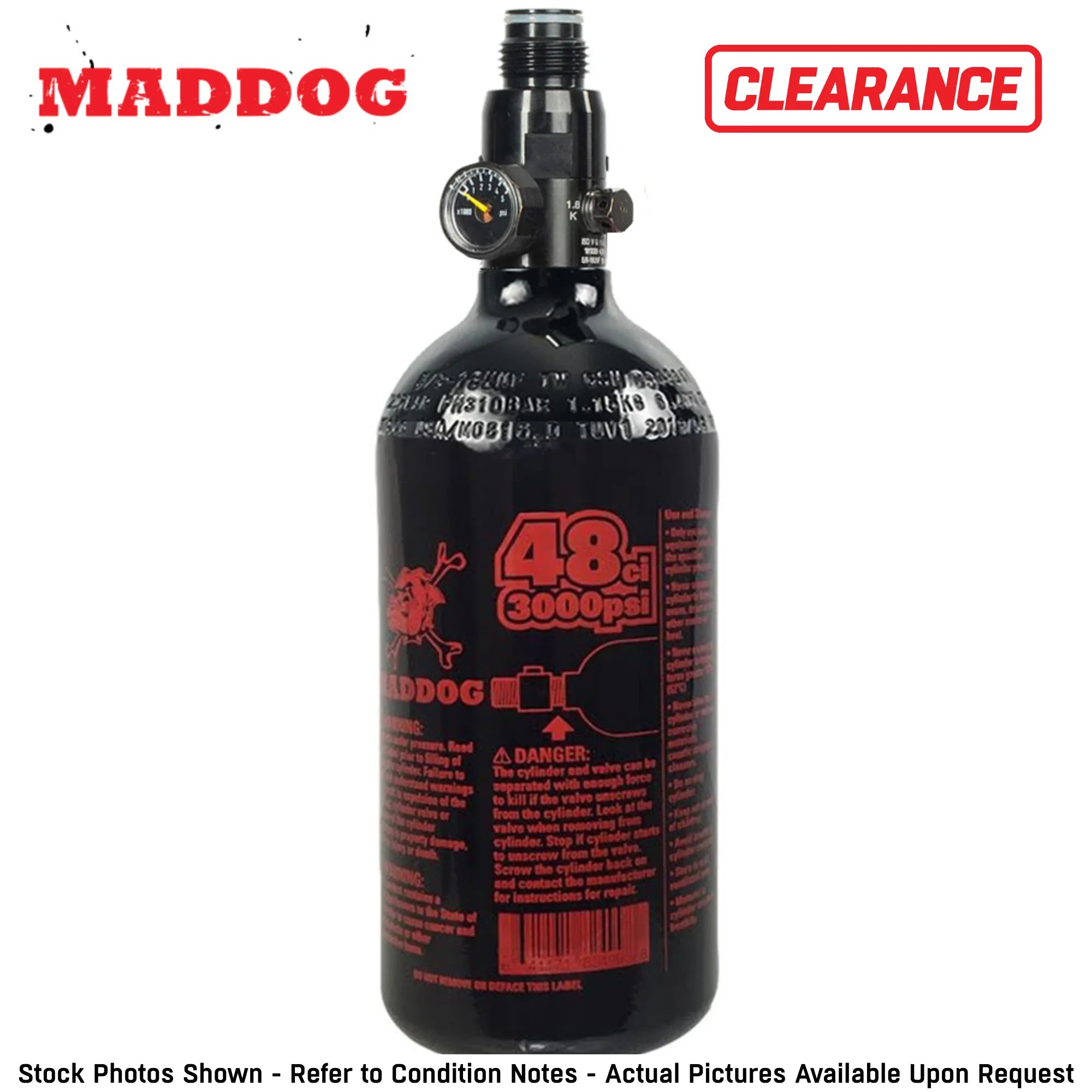
- 48ci Aluminum Tank – The 48/3000 size remains one of the most common aluminum options. The HK Army Aluminum 48/3000 model is a dependable compressed air tank that balances weight, shot count, and affordability. These tanks include a built-in tank regulator set to approximately 800 PSI output pressure, which is considered the industry standard.
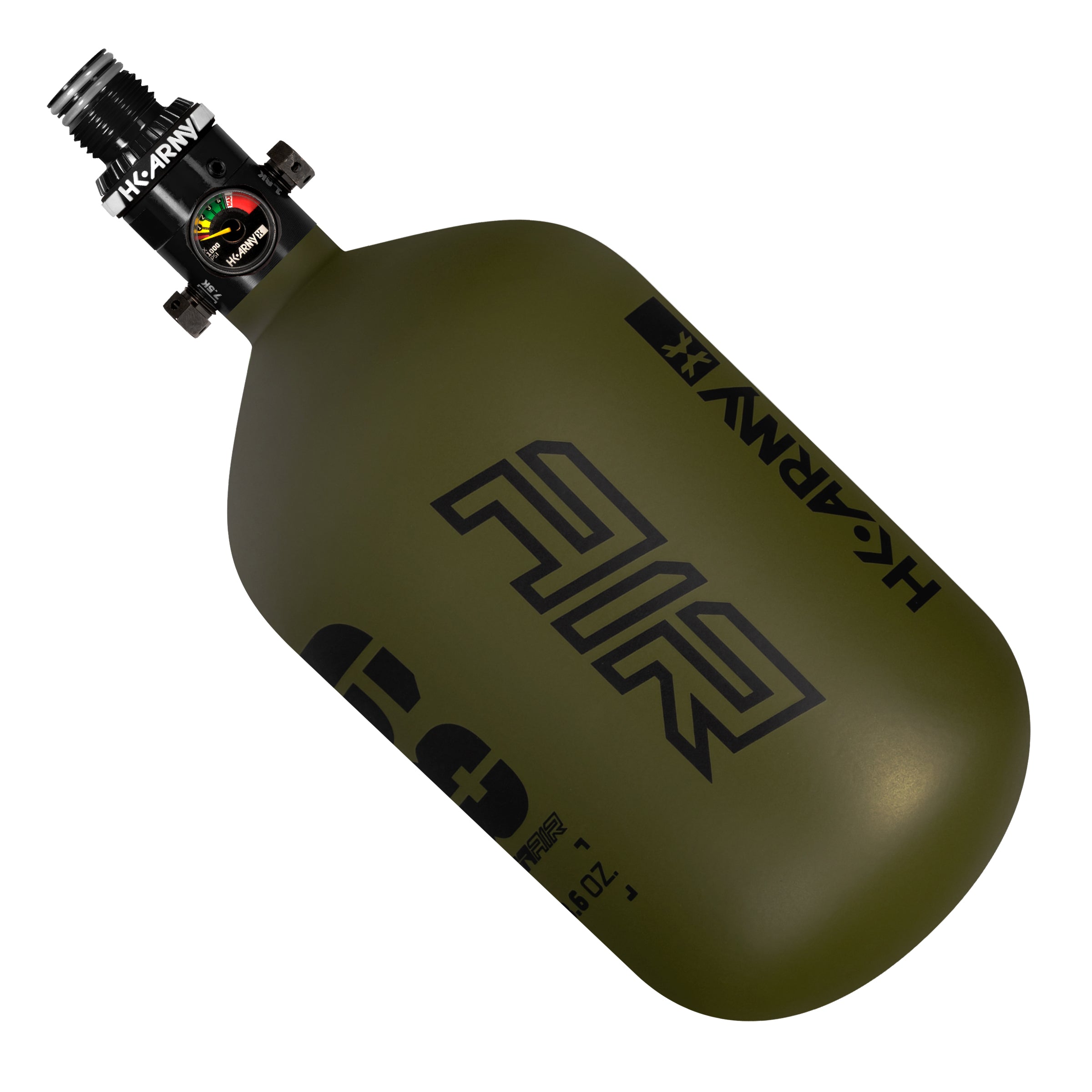
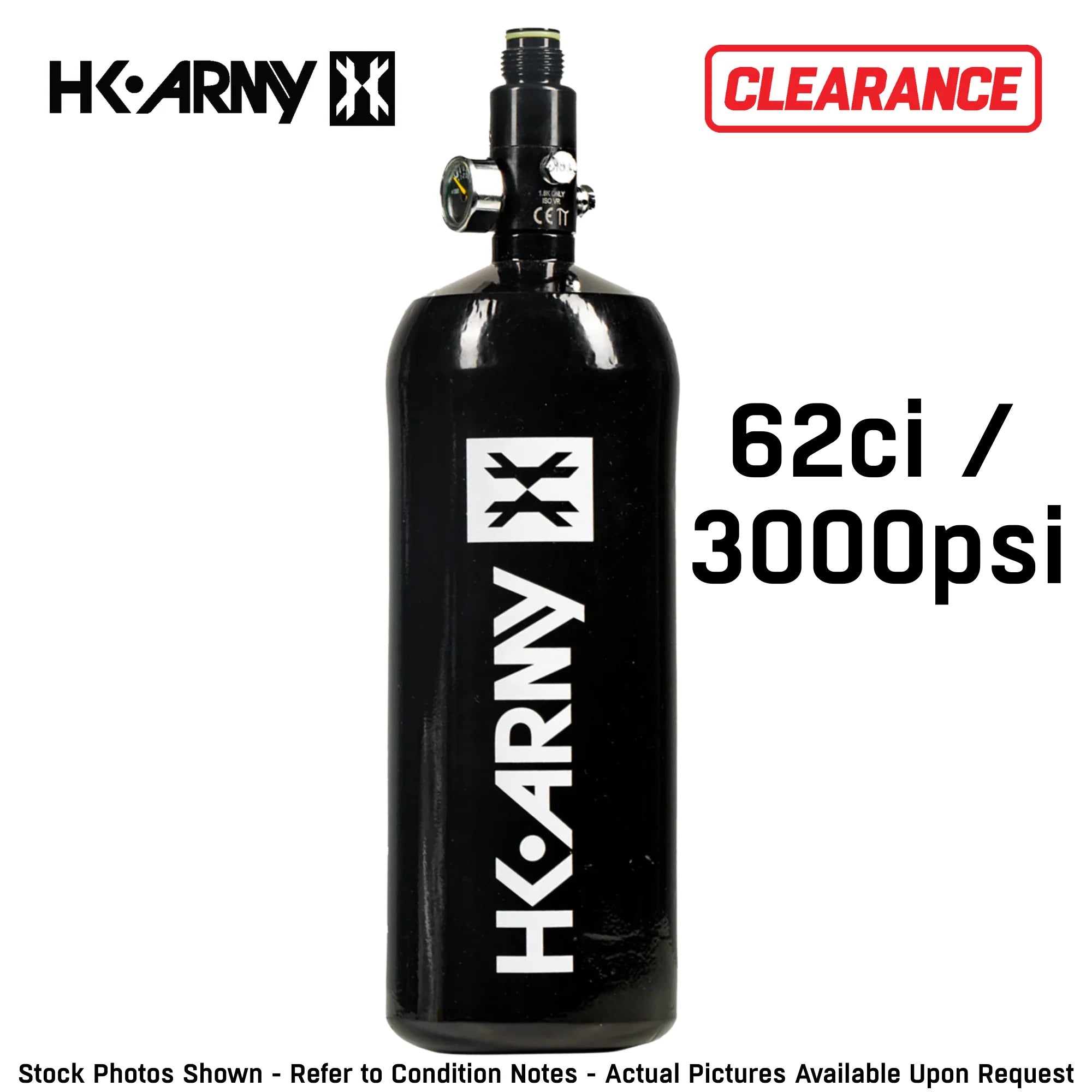
- 62ci Aluminum Tank – For players who want longer play sessions between fills, the 62ci aluminum option increases air capacity and is affordable. Many woodsball players appreciate the extended runtime without switching to a full carbon fiber tank system.
Carbon Fiber HPA Tanks - Lightweight Performance
Players who look for maximum performance often upgrade to carbon-fiber systems. A fiber tank uses a lightweight aluminum core wrapped in strong composite fibers to create a fiber air tank that can hold higher pressure while weighing less than aluminum alternatives.
Most carbon systems operate at 4500 PSI and deliver significantly more shots per fill. This extra capacity, combined with reduced weight, makes them popular in competitive play where you want both mobility and speed.
48ci Carbon Fiber – 4500 PSI
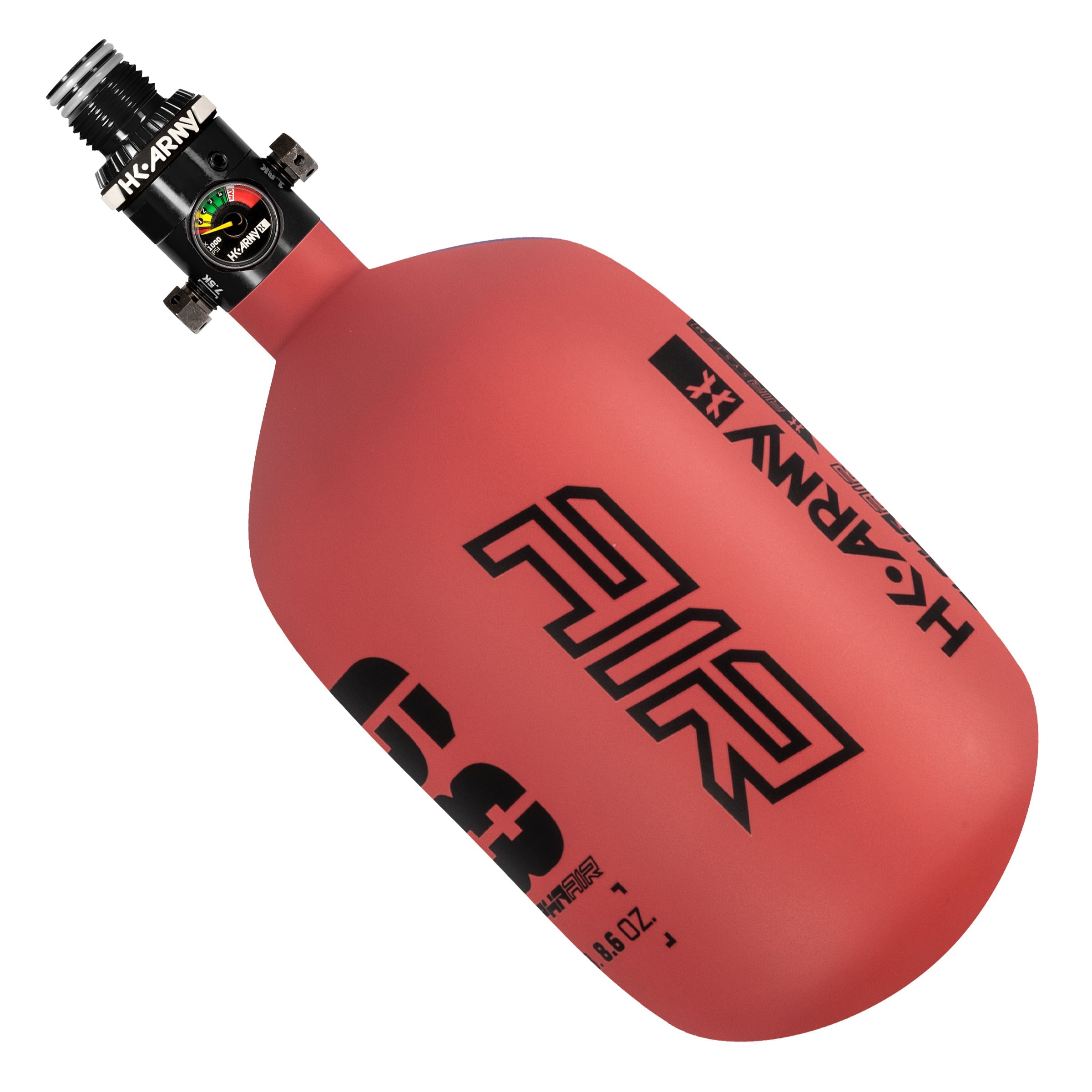
A 48ci carbon fiber air system provides a compact yet powerful solution for competitive play. Tanks like the HK Army Aerolite use advanced aerolite carbon fiber technology to create durable and lightweight setups. These are systems with high-performance regulators, delivering consistent pressure during rapid firing.
68ci Carbon Fiber – 4500 PSI
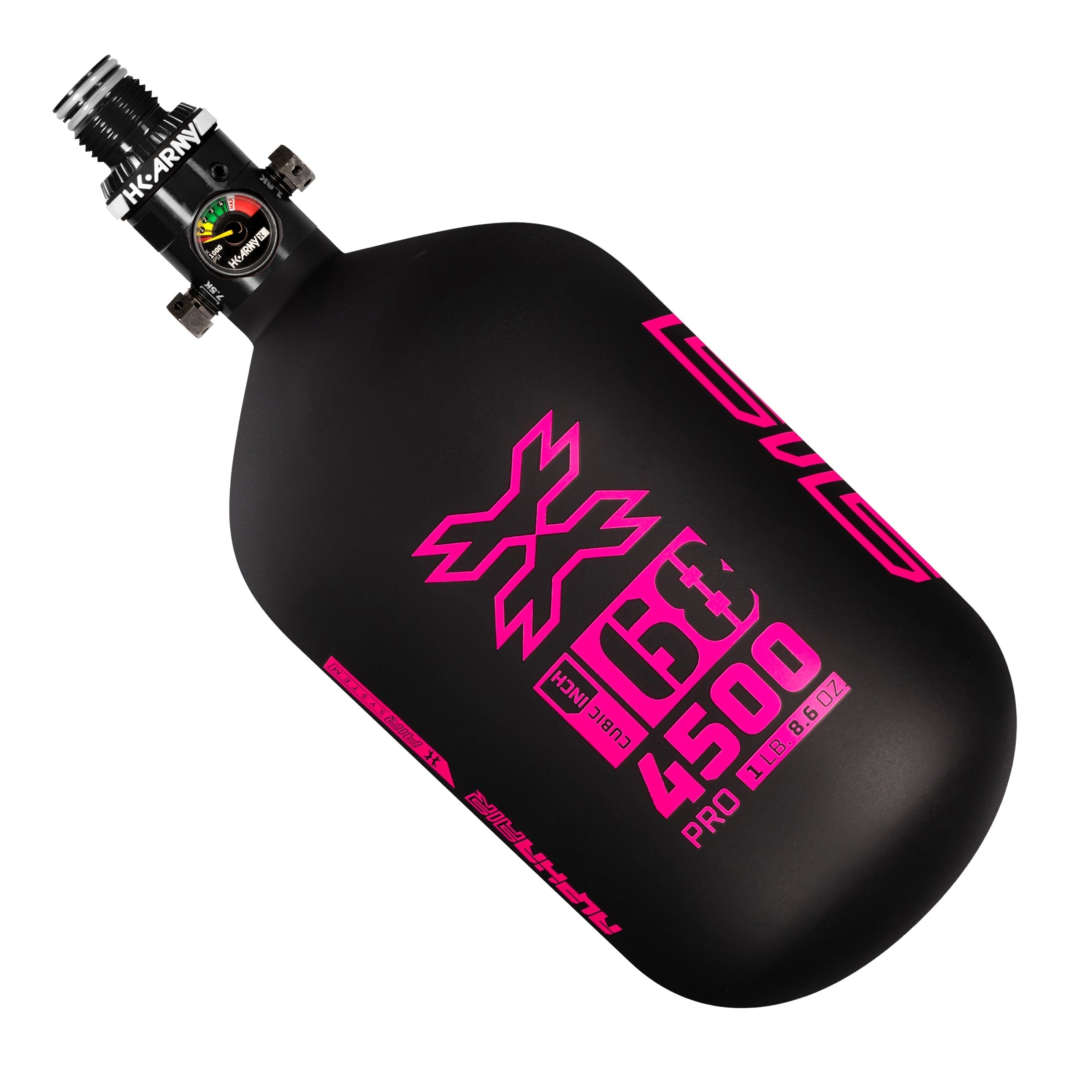
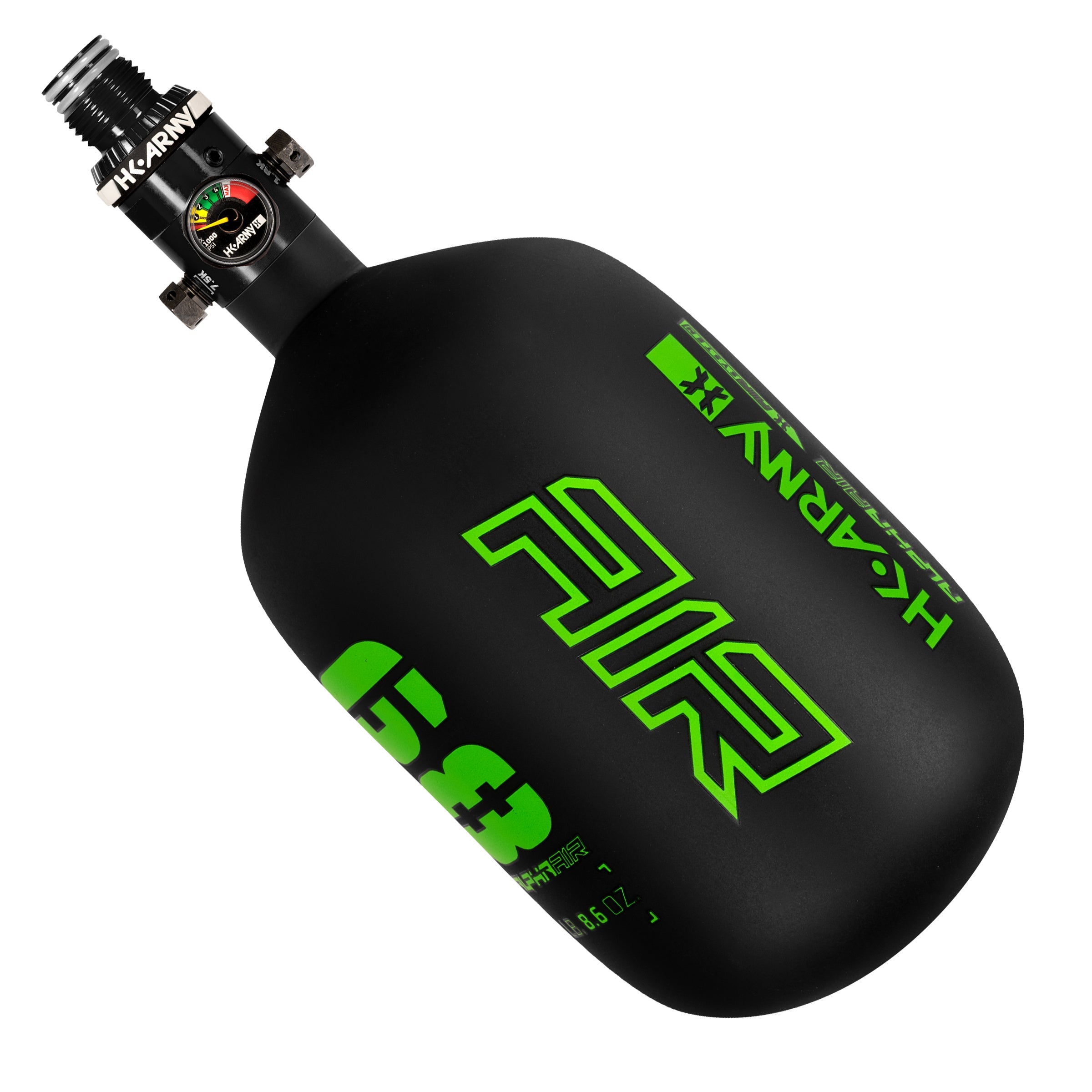
The 68ci size remains one of the most popular options for tournament and experienced recreational players. Systems like the HK Army Alpha or Army Alpha air tanks combine large capacity with lightweight construction. A typical fiber paintball tank of this size can deliver hundreds of extra shots.
Regardless of the brand, most modern fiber air systems include safety burst disks, durable threaded necks, and reinforced composite wraps. These designs prove the tanks are made to withstand repeated fills and heavy field use.
Understanding Paintball Tank Sizes and Pressure
When shopping for paintball compressed air tank options, you will often see numbers written like 48/3000 or 68/4500. These numbers describe the tank's capacity and pressure rating. The first number refers to cubic inches (ci), which measures how much air the tank’s bottle can store internally. A higher number means the tank holds more air and allows more shots before refilling.
The second number refers to the maximum pressure rating measured in PSI (pounds per square inch). A 3000 PSI tank is common for aluminum models, while a 4500 PSI tank is typically found on lightweight carbon fiber systems. Because higher-pressure tanks store more paintball air, they often provide more shots between fills.
Another detail players often notice is the fill nipple located on the bottle neck. This component allows the tank to connect to refill stations where compressed air tanks can be filled safely and quickly at paintball fields or professional air stations.
Why Choose HPA Over CO2?
Most modern players rely on HPA tank technology because it delivers cleaner and more consistent performance than CO2 tanks.
CO2 expands and contracts with temperature changes, which can cause velocity spikes or inconsistent firing. On the contrary, HPA air remains stable, and markers can operate with consistent pressure during rapid firing.
An air system built around paintball air also provides better reliability for electronic markers. Because the tank with a regulator delivers a controlled output, your marker receives consistent pressure regardless of environmental conditions. Competitive players who use high-performance paintball markers that depend on stable air delivery need exactly this kind of consistency.
Many fields also prefer compressed air tanks because they reduce maintenance issues associated with CO2 freezing or expansion.
Safety Standards and Hydrostatic Testing
Most modern paintball HPA tanks are manufactured in accordance with Department of Transportation (DOT) standards for safe handling and reliable performance.
All tanks include protective components such as burst disks, reinforced threading, and a durable tank with a regulator assembly to release pressure safely if the tank ever exceeds its rated limits. These characteristics protect the player and the paintball gun using the tank.
One of the most important safety requirements for any air tank used in air paintball equipment is hydrostatic testing. This test assesses the structural strength of the tank so it can safely hold pressure air. In the United States, most tanks must be tested every 5 years to be eligible for refilling.
Before filling your paintball HPA tank, always check the hydro date stamped on the tank's neck. If the test date has expired, refill stations will not fill the tank until it passes inspection.
HPA Tank Accessories and Supporting Gear
Beyond the tank itself, players often upgrade with accessories that improve performance and durability.
Protective tank covers, or barrel covers, safeguard equipment during transport or staging. Many players also pair their tanks with gear bags, tactical vests, and other protective gear to keep equipment organized and protected.
Additional upgrades like grips, remote lines, and fill adaptors make quick swaps and maintenance easier. Some players also keep replacement fill nipple components or spare nipple caps as part of their repair tools.