Paintball Tank Guide: CO2 vs HPA
Choosing the right paintball tank matters. Your tank powers every shot, affects consistency, changes how your marker performs, and determines how easy it is to refill before game day.
This guide breaks down the difference between CO2 tanks and HPA / compressed air tanks, how tank sizes work, what PSI means, how to read tank markings, and which setup makes the most sense for your paintball marker.
Your Paintball Tank Checklist:
✅ Choose CO2 or HPA
✅ Pick the right tank size
✅ Understand PSI ratings
✅ Check tank stamps and hydro dates
✅ Fill safely
✅ GAME ON!
Shop All Paintball Tanks → Shop CO2 Tanks → Shop HPA Tanks →
Quick Jump
CO2 vs HPA | Tank Sizes | PSI Explained | Tank Materials | DOT / TC / PI Stamps | Hydro Dates | Tank Filling | Tank Accessories | Which Tank Should You Buy?
Step 1 — CO2 vs HPA: What’s the Difference?
Paintball markers need an air system to power each shot. The two most common options are CO2 and HPA, also called compressed air or nitro.
CO2 Tanks
Simple • Affordable • Great for Mechanical Markers
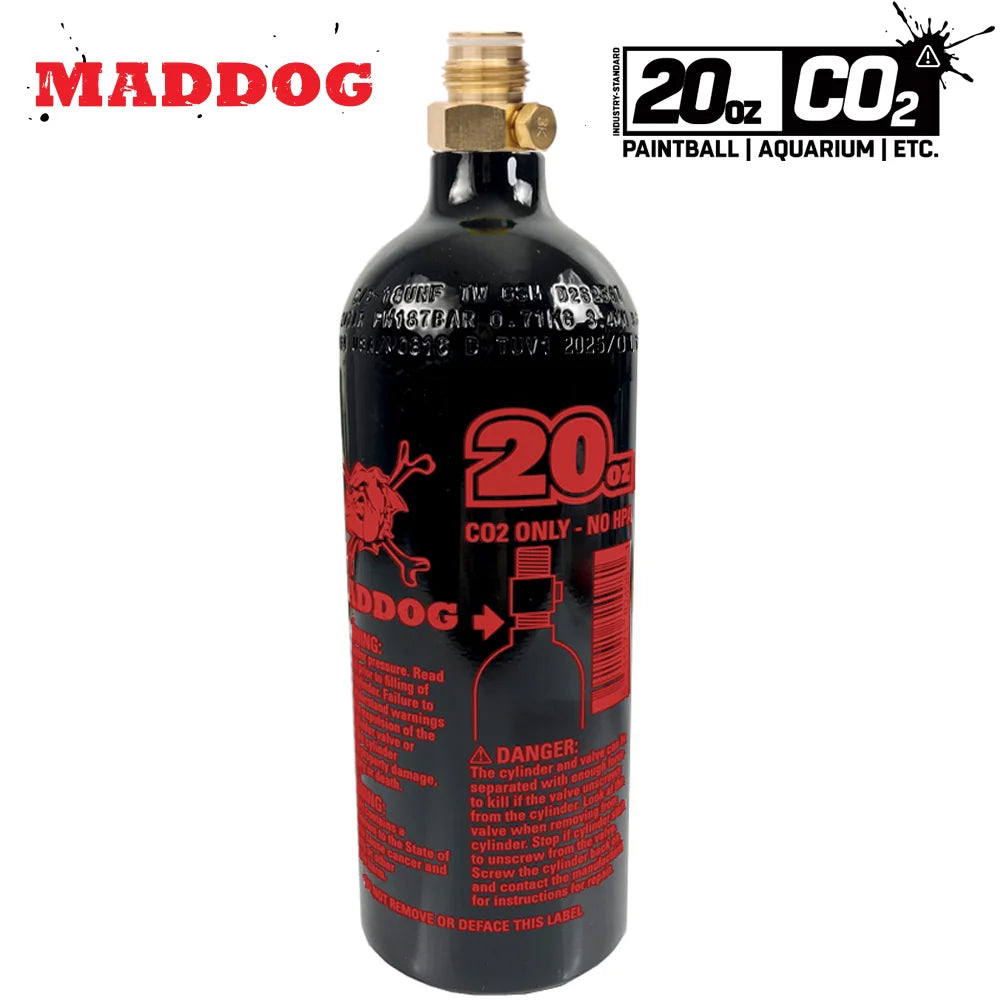
CO2 tanks are popular for beginner paintball, recreational play, backyard games, and mechanical markers. CO2 is stored as liquid inside the tank and turns into gas as it powers the marker.
- Lower upfront cost
- Common for woodsball and recreational play
- Works well with many mechanical markers
- Most common sizes are 12 oz and 20 oz
Best for: Tippmann-style mechanical markers, casual paintball, backyard games, and budget-friendly starter setups.
HPA / Compressed Air Tanks
Consistent • Modern • Performance Friendly
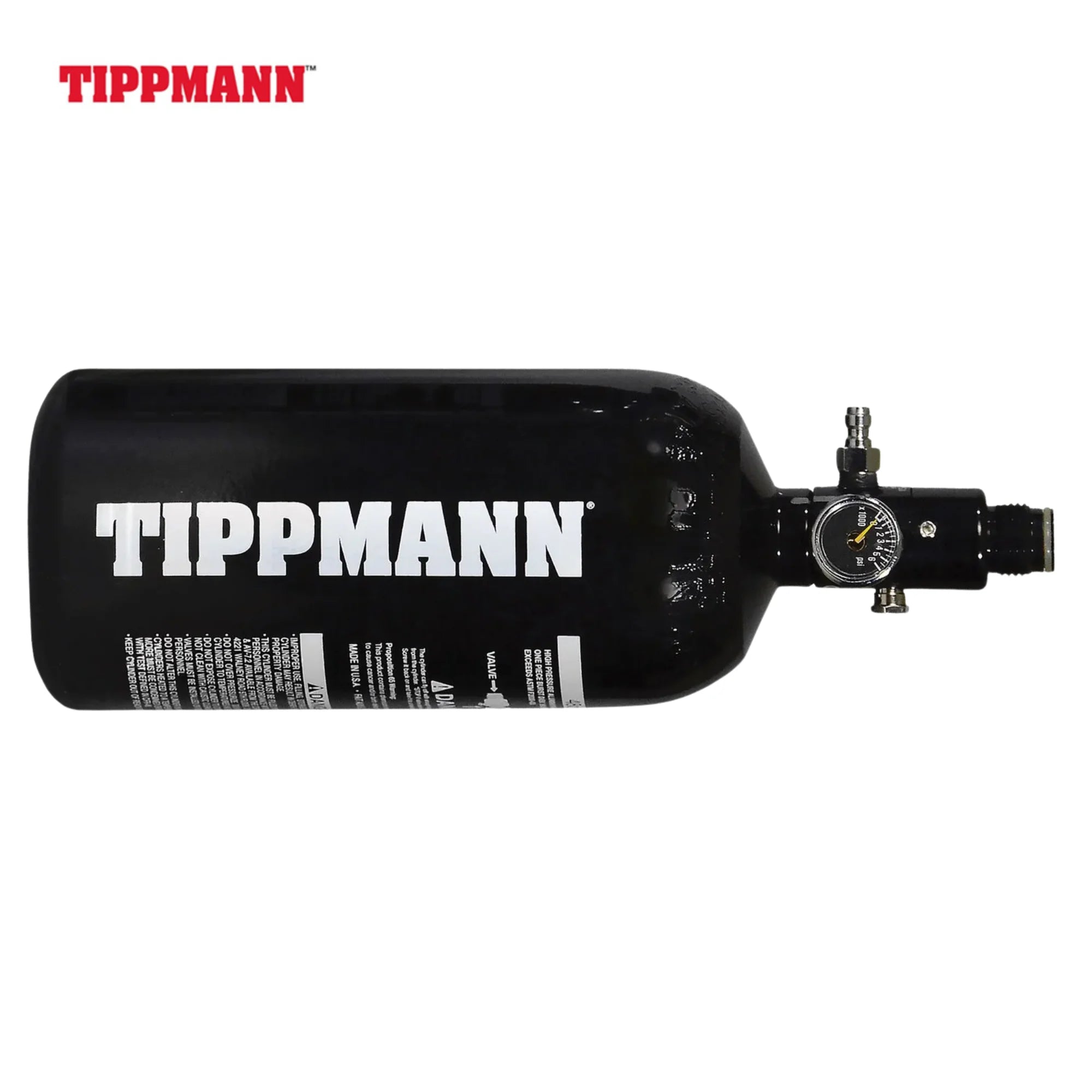
HPA stands for high-pressure air. Unlike CO2, compressed air does not change from liquid to gas during use. That makes it more stable and consistent, especially for electronic markers and higher-performance setups.
- More consistent shot-to-shot performance
- Less affected by temperature
- Preferred for electronic markers
- Available in 3000 PSI and 4500 PSI options
Best for: electronic markers, speedball markers, upgraded setups, and players who want better consistency.
Quick Buyer Tip
If your paintball marker uses a battery, choose HPA / compressed air. If you are using a simple mechanical marker, CO2 may be a solid budget-friendly option.
Step 2 — Paintball Tank Sizes Explained
CO2 Tank Sizes
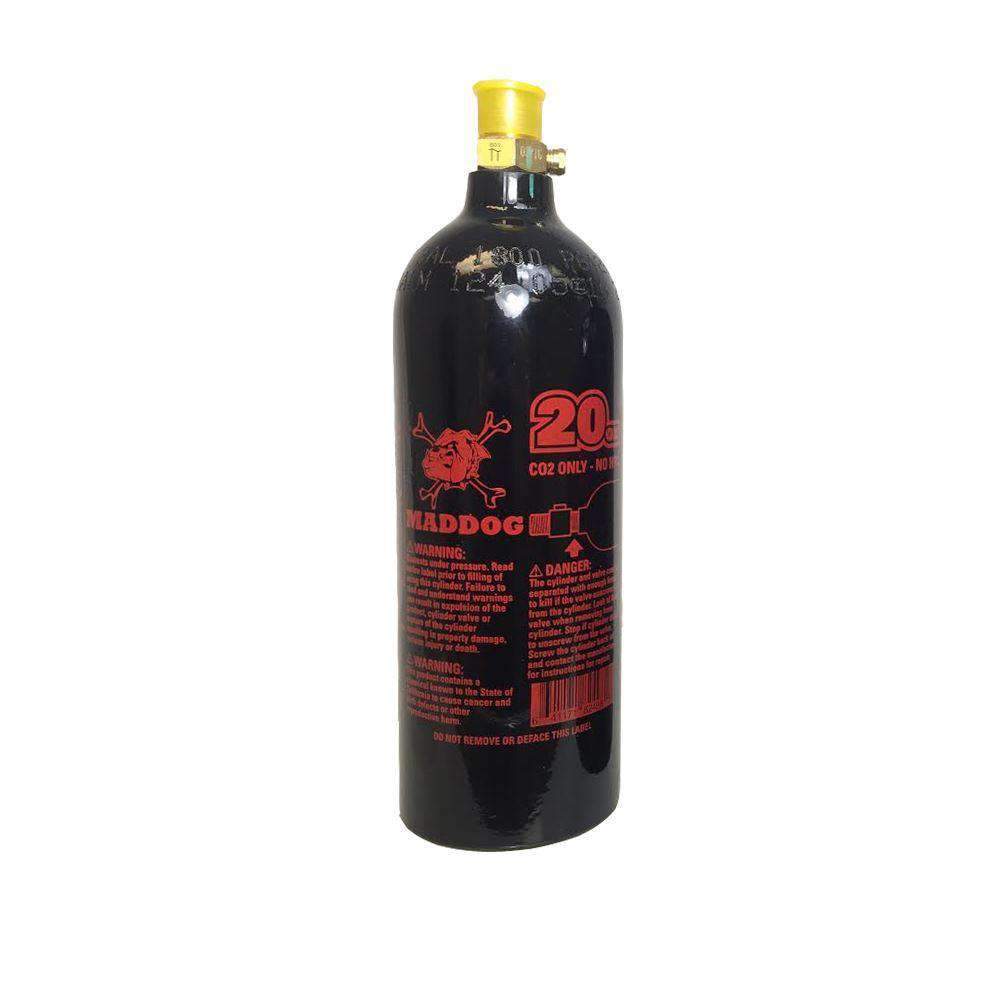
CO2 tanks are measured in ounces. The number tells you the liquid CO2 capacity of the tank. Common refillable sizes include 9 oz, 12 oz, 16 oz, 20 oz, and 24 oz tanks, though most players use either a 12 oz or 20 oz tank.
The larger the CO2 tank, the more shots you can usually take before refilling. The tradeoff is size and weight.
12 oz CO2: Compact, lighter, good for smaller setups
20 oz CO2: Most popular balance of capacity, size, and weight
For most recreational players, a 20 oz CO2 tank is the best all-around choice.
HPA Tank Sizes
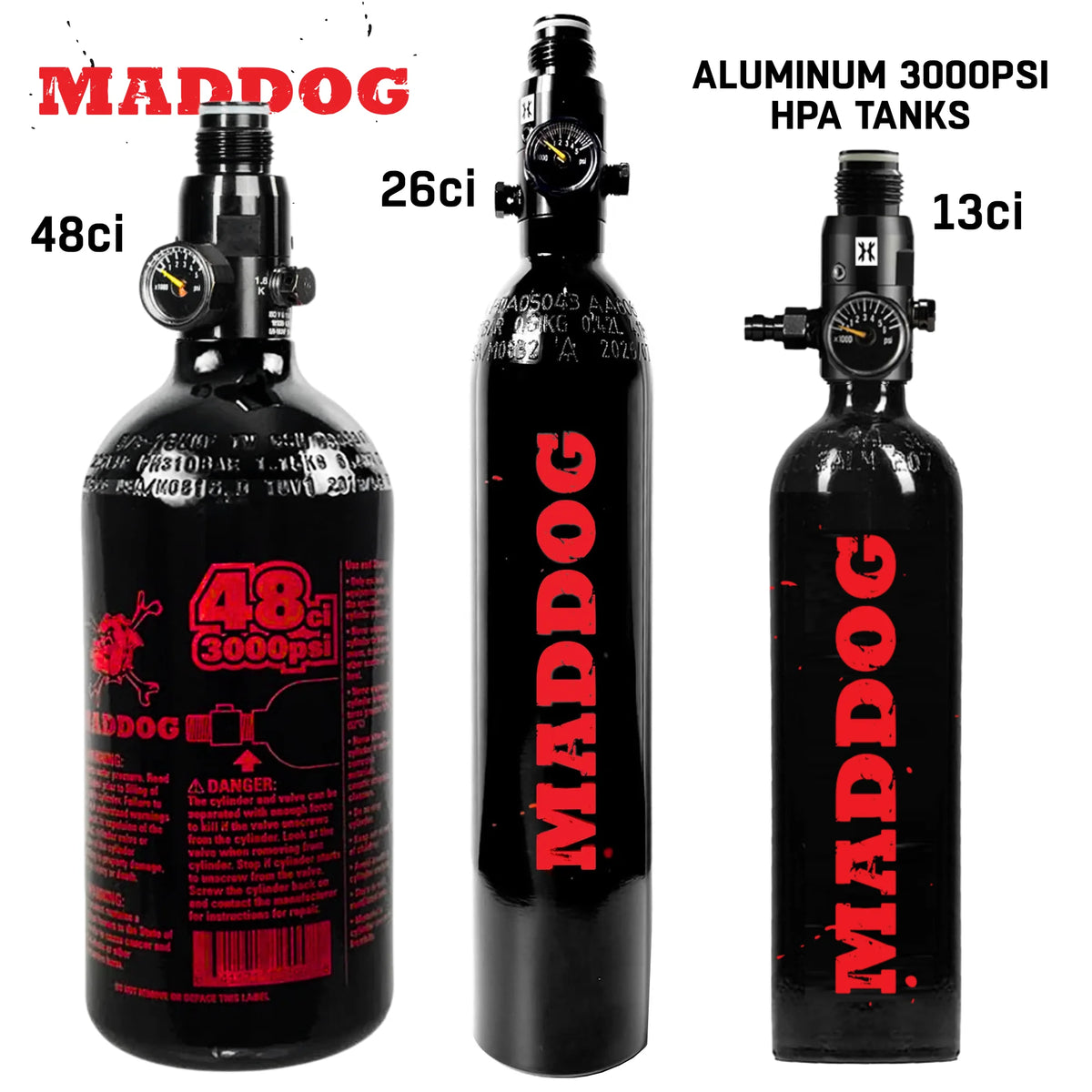
HPA tanks are labeled by volume and pressure. For example, a 48/3000 tank means:
- 48 = 48 cubic inches of air volume
- 3000 = maximum fill pressure of 3000 PSI
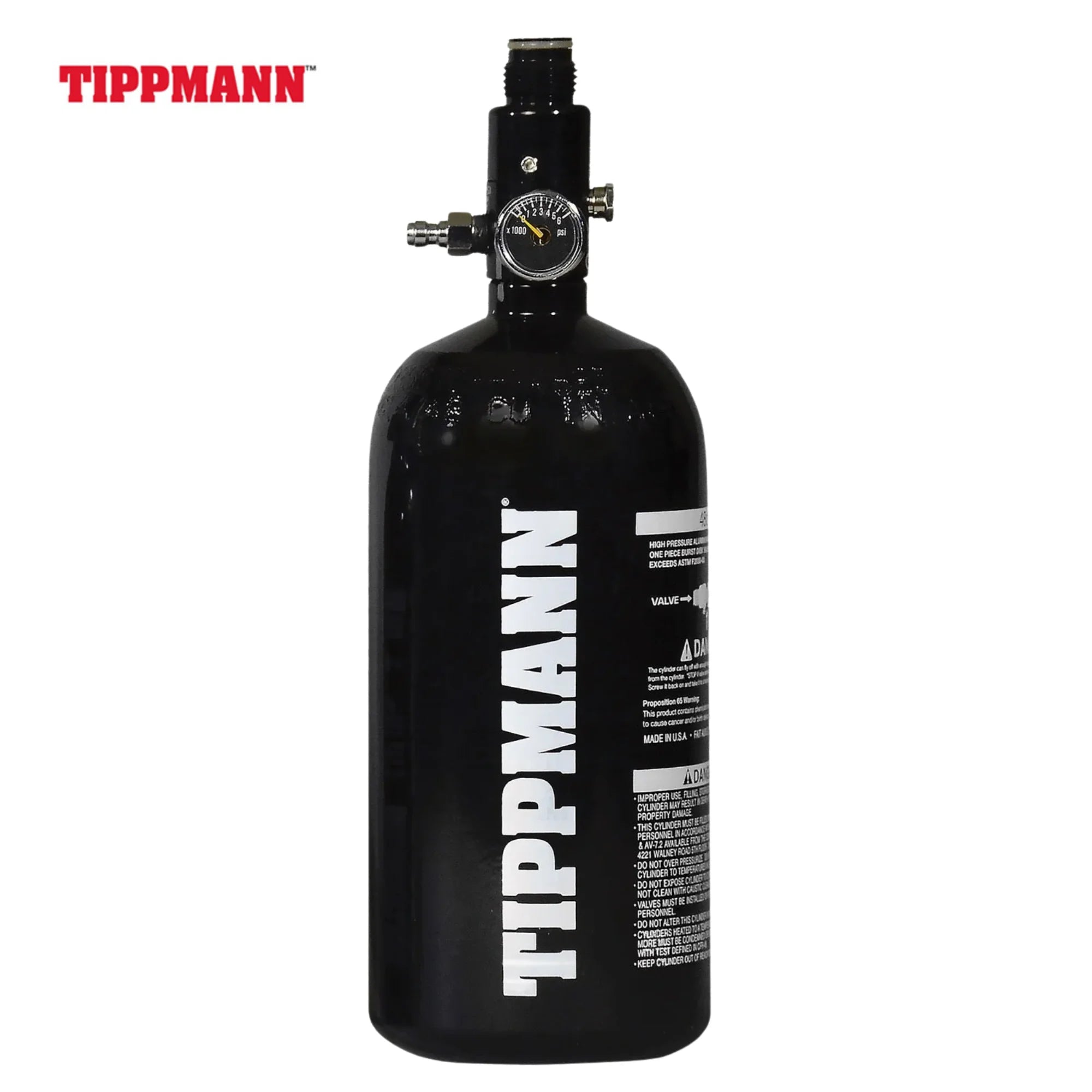
48/3000: Great beginner HPA tank
68/4500: Popular performance upgrade with more shots per fill
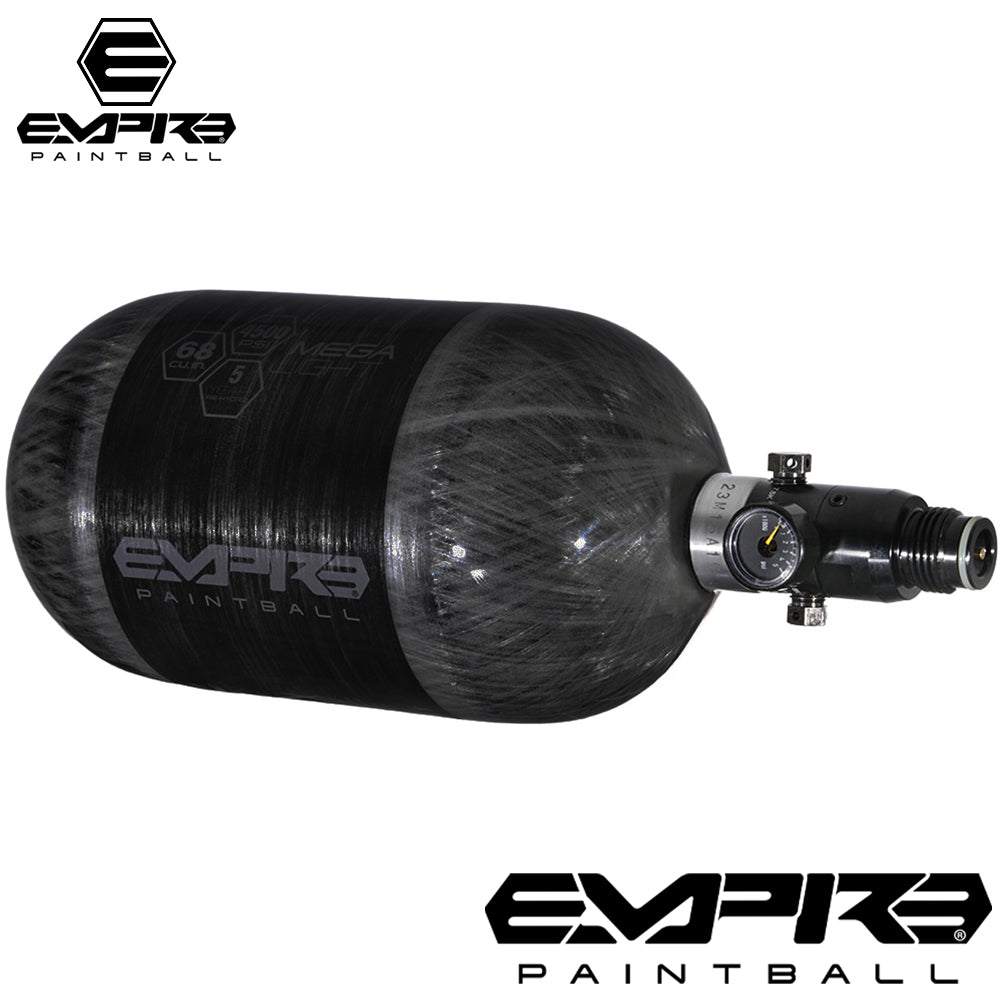
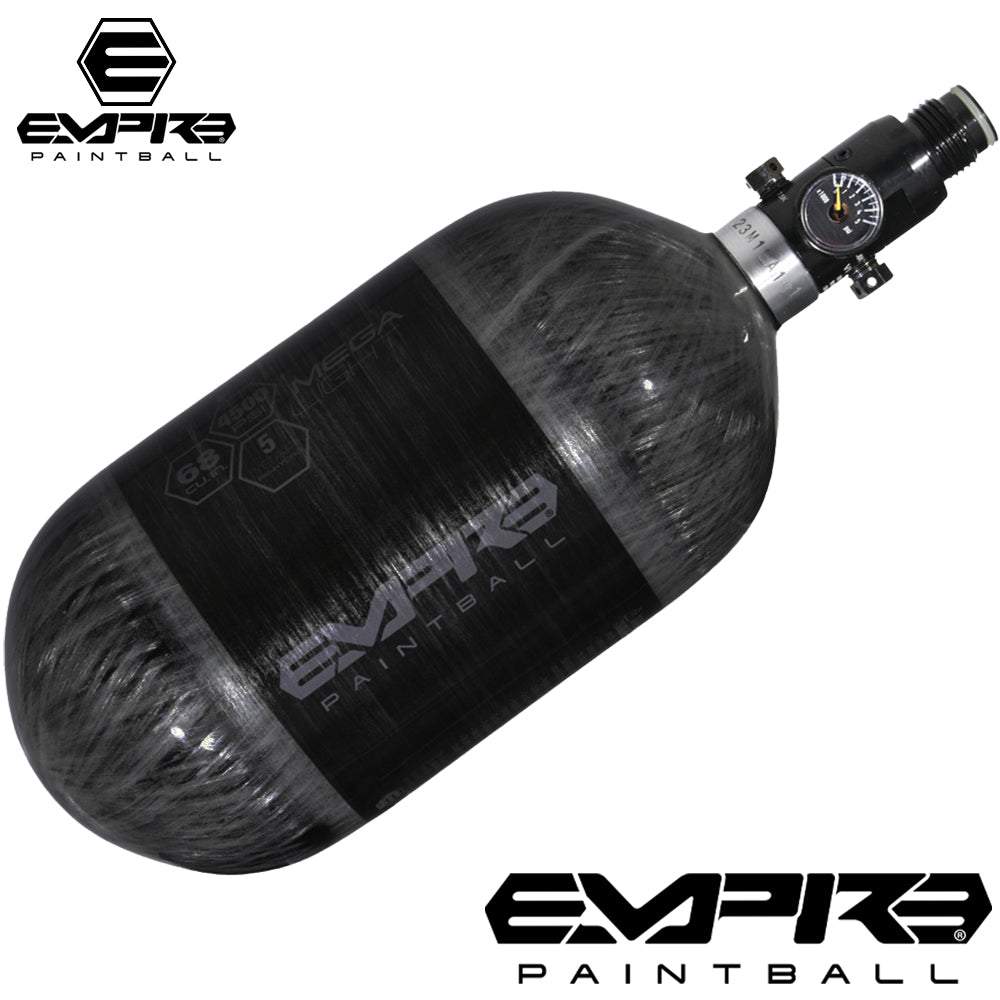
Carbon Fiber 4500 PSI: Lighter, higher-capacity, premium option
As a general rule, 3000 PSI tanks are more affordable, while 4500 PSI tanks hold more air. Carbon fiber 4500 PSI tanks are usually lighter and hold more shots per fill.
Shop Carbon Fiber Paintball Tanks →
Step 3 — What Does PSI Mean?
PSI stands for pounds per square inch. It tells you how much pressure the tank is rated to hold.
- 3000 PSI: common, affordable, beginner-friendly
- 4500 PSI: higher pressure, more air capacity, more shots per fill
CO2 output varies with conditions but is commonly around 850 PSI. HPA tanks use regulators to control output pressure, and many standard paintball HPA tanks are also set up for high-output use.
Important Safety Note
Never overfill a paintball tank. A 3000 PSI tank should never be filled above 3000 PSI. A 4500 PSI tank should never be filled above 4500 PSI.
Step 4 — Paintball Tank Materials
CO2 Tanks
CO2 tanks are typically made from aluminum and steel. They are durable, affordable, and built for liquid CO2 use.
3000 PSI HPA Tanks
Most 3000 PSI compressed air tanks are aluminum. They are dependable and cost less than carbon fiber tanks, making them a great first HPA option.
4500 PSI Carbon Fiber Tanks
Most 4500 PSI tanks use a carbon fiber wrap. These tanks are usually lighter and hold more air, which makes them popular with serious players who want more shots per fill.
Step 5 — How to Read DOT, TC, and PI Tank Stamps
Paintball tanks are pressure vessels, so certification markings matter. These stamps show that the tank has been tested and approved for safe use.
- DOT: U.S. Department of Transportation certification
- TC: Transport Canada certification
- PI: Pressure vessel certification often seen on HPA tanks
Always check tank markings before filling. If a tank is damaged, expired, or missing proper certification, do not fill it.
Step 6 — What Is the Born Date on a Paintball Tank?
The born date is the original manufacturing date stamped into the tank. This date matters because many paintball tanks require periodic hydro testing.
Most paintball tanks follow a 5-year hydro cycle. That means the tank may need to be hydro-tested 5 years after its born date before it can continue being filled safely.
What Happens During Hydro Testing?
- The tank is visually inspected for damage or corrosion.
- The tank is filled with water and pressure-tested.
- The tank is dried after testing.
- If it passes, the tank is re-certified and stamped with a new test date.
No valid hydro date = no fill. Many paintball fields and fill shops will refuse to fill expired tanks.
Step 7 — How Do You Fill Paintball Tanks?
All paintball tanks ship empty. An empty tank will not power your marker. You must fill the tank before use.
Filling CO2 Tanks
CO2 tanks should be filled by a qualified technician. Paintball CO2 tanks are filled from larger liquid CO2 cylinders and are filled by weight.
- CO2 tanks should be filled by trained staff
- They are filled by weight
- They should be fully emptied before filling
- Bulk CO2 setups require proper equipment and safe handling
Filling HPA Tanks
HPA tanks are commonly filled at paintball fields using 3000 PSI or 4500 PSI fill stations. Connect the fill hose to the tank’s fill nipple, fill to the correct pressure, then disconnect.
A short hissing sound when disconnecting is normal. That is just air escaping from the fill hose.
Fill Station Reminder
Use the correct fill station for your tank. A 3000 PSI tank should be filled at a 3000 PSI station. A 4500 PSI tank can use a 4500 PSI station, or it can be filled from a 3000 PSI station but will only fill to 3000 PSI.
Step 8 — Paintball Tank Accessories Worth Adding
The right accessories protect your tank, improve comfort, and make your setup easier to use.
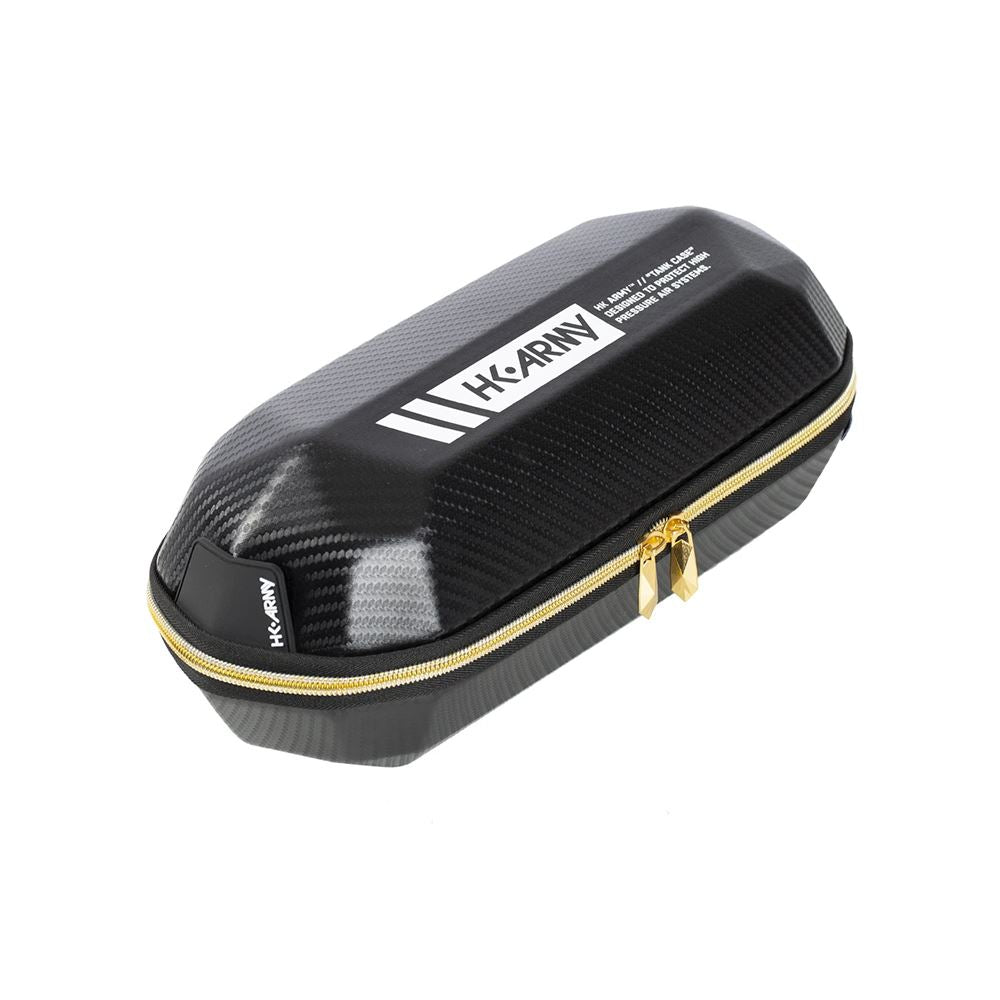
Tank Covers
A tank cover helps protect the bottle from scratches, dings, and field wear. It can also improve shoulder grip and comfort.
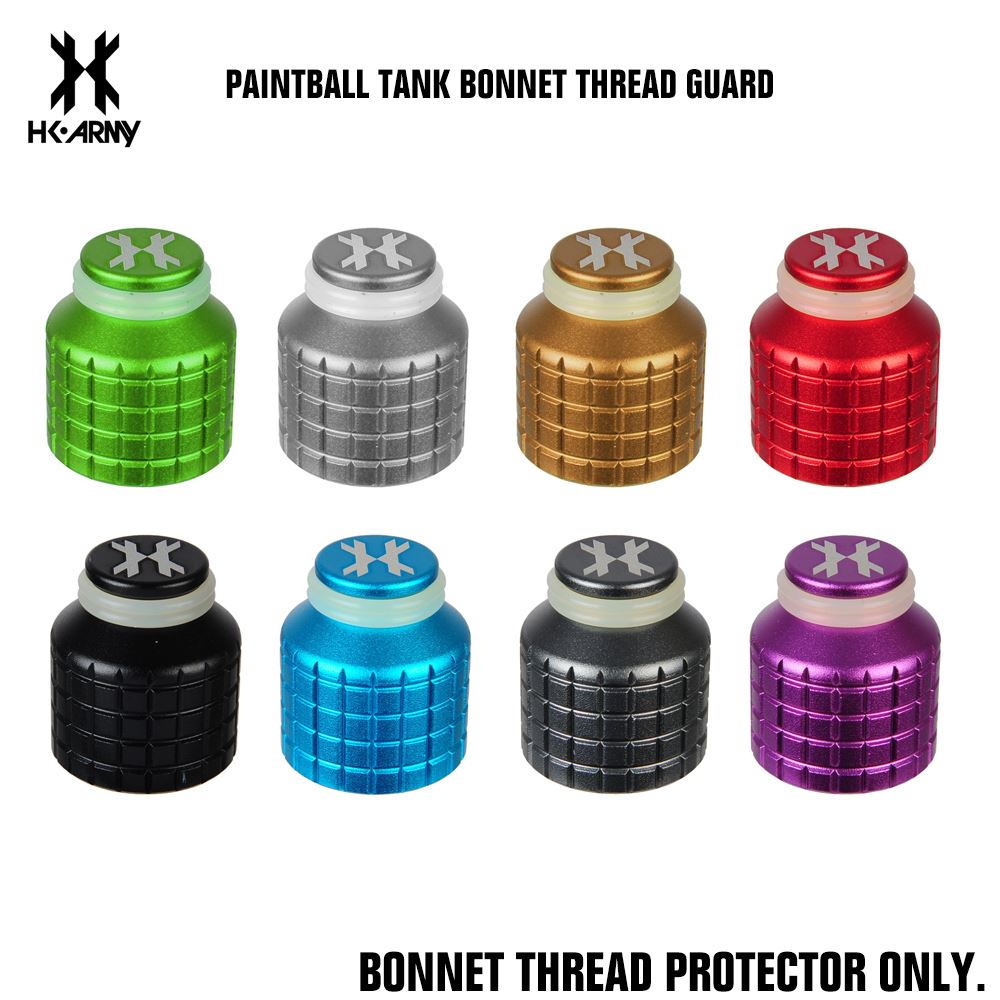
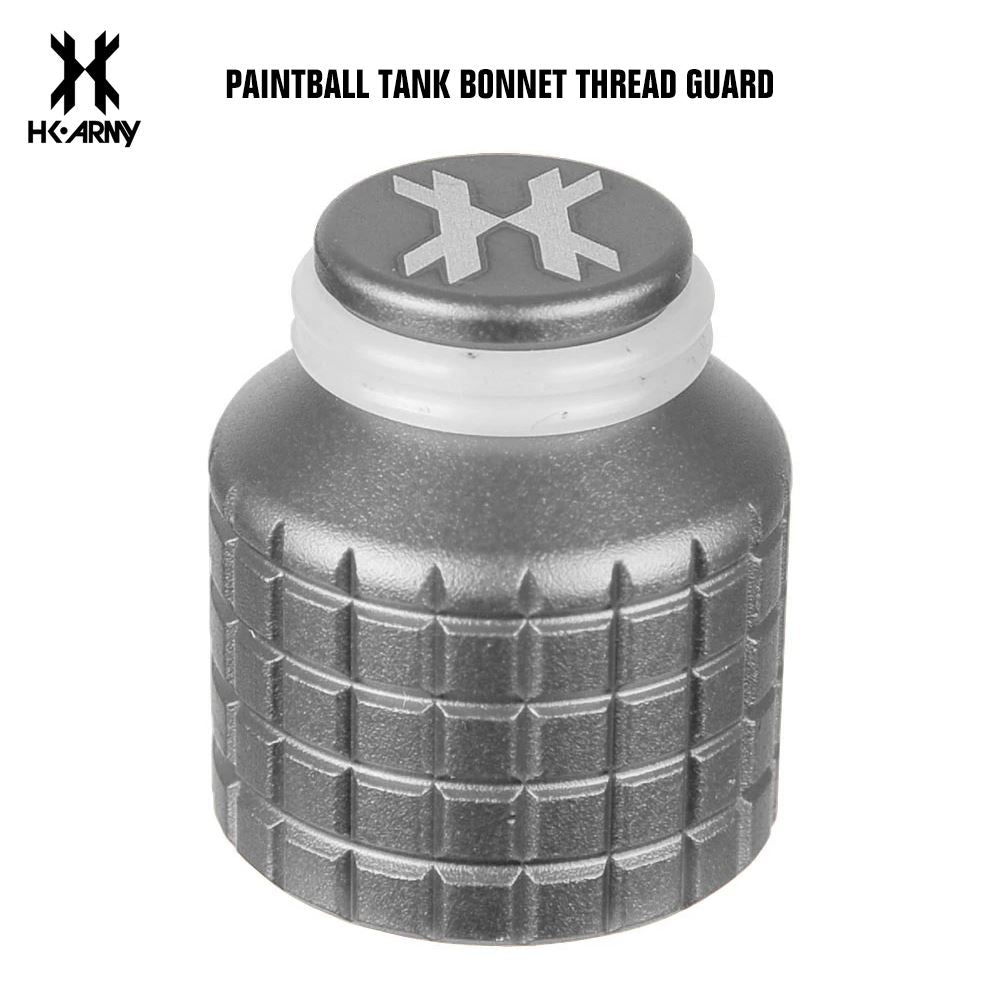
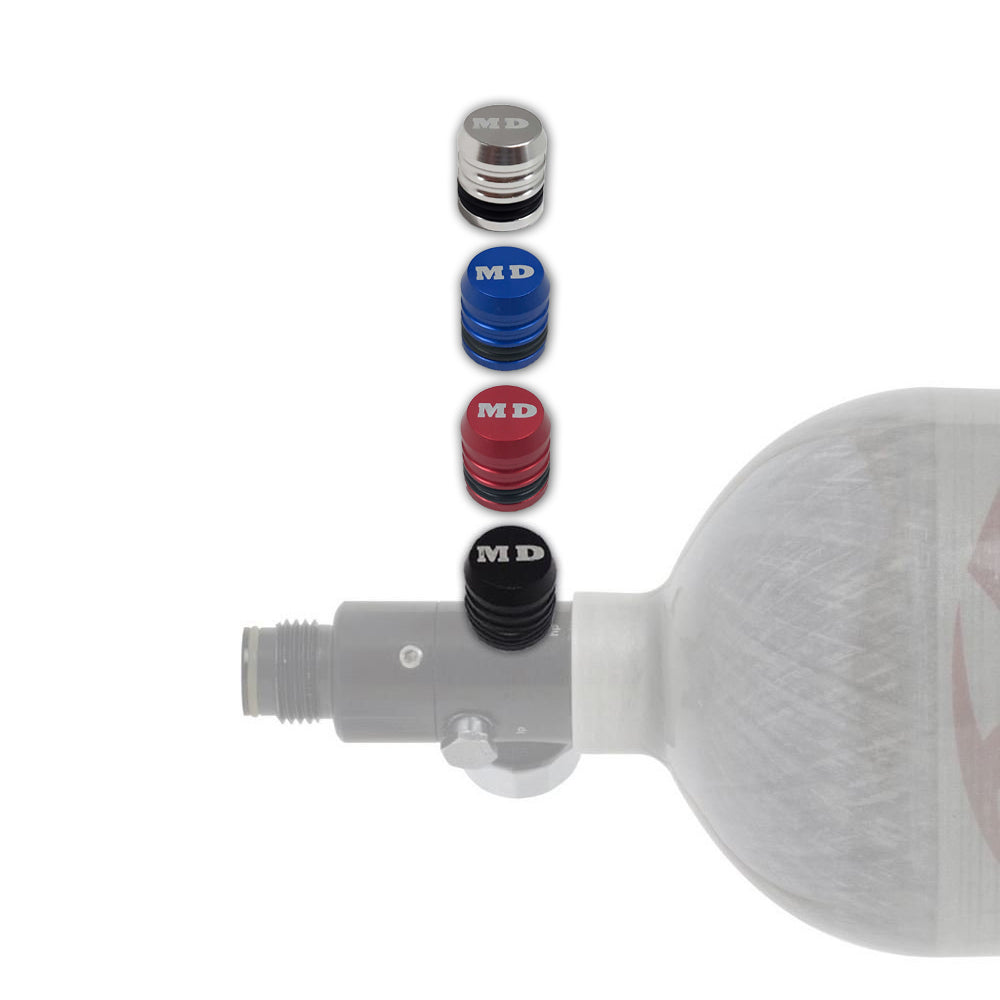
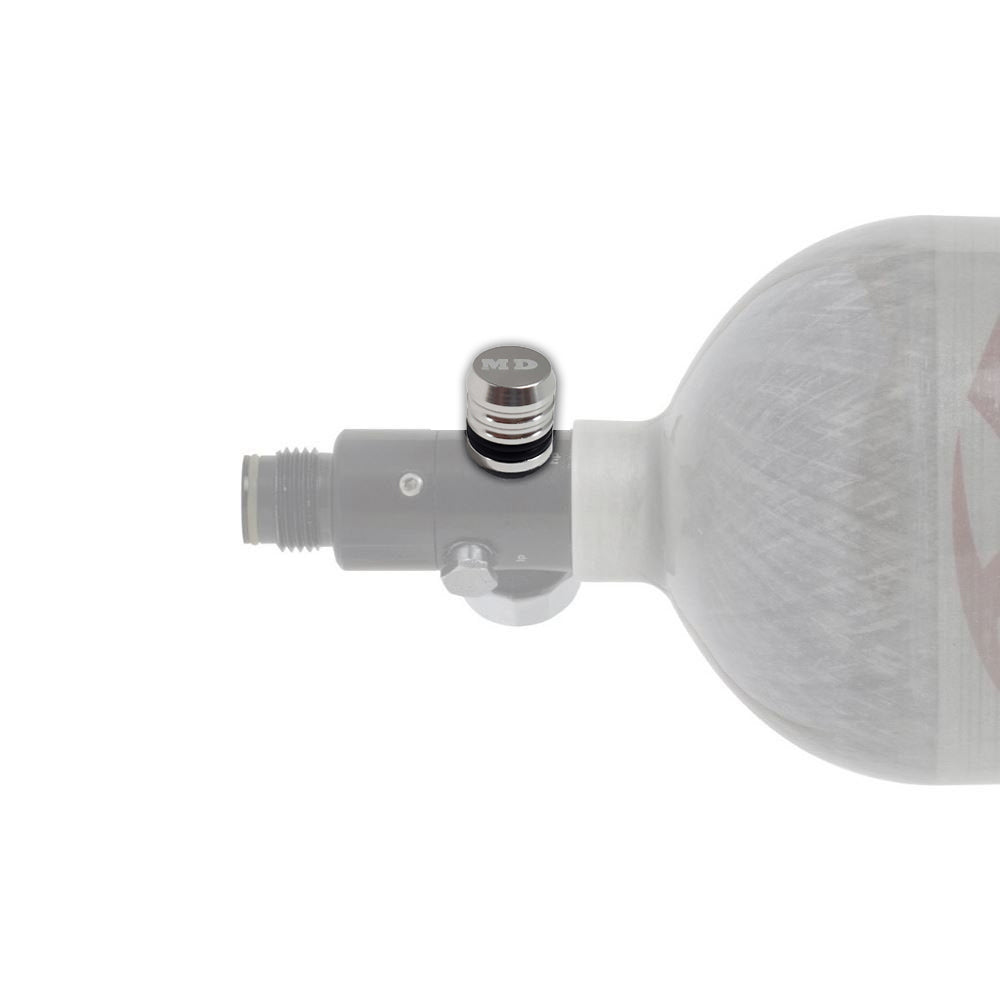
Fill Nipple Covers
Fill nipple covers help keep dirt and debris out of the fill nipple. This is a simple upgrade that can help prevent fill issues.
Remote Coils
A remote coil lets you move the tank off the marker and onto a harness or vest. This can reduce marker weight and improve mobility, especially for woodsball and scenario play.
Which Paintball Tank Should You Buy?
Choose CO2 If:
- You use a mechanical marker
- You want a lower-cost setup
- You play recreational paintball
- You have easy access to CO2 refills
Choose HPA If:
- You use an electronic marker
- You want more consistent performance
- You play speedball or competitive paintball
- You want better shot-to-shot reliability
Choose Carbon Fiber If:
- You want a lighter tank
- You want more shots per fill
- You play longer sessions
- You want a premium performance setup
Complete Your Paintball Setup
Tank picked? Now finish the loadout with the right marker, loader, paint, protection, and carry gear.
- Shop Paintball Gun Packages
- Shop Hoppers & Loaders
- Shop Paintballs
- Shop Paintball Masks & Goggles
- Shop Tank Accessories
Final Takeaway
For most beginners using mechanical markers, a 20 oz CO2 tank is a simple, affordable choice. For electronic markers or players who want better consistency, go with an HPA tank. For lighter weight and more shots per fill, upgrade to a carbon fiber 4500 PSI tank.
Fill Your Tank. Add Paint. GAME ON!