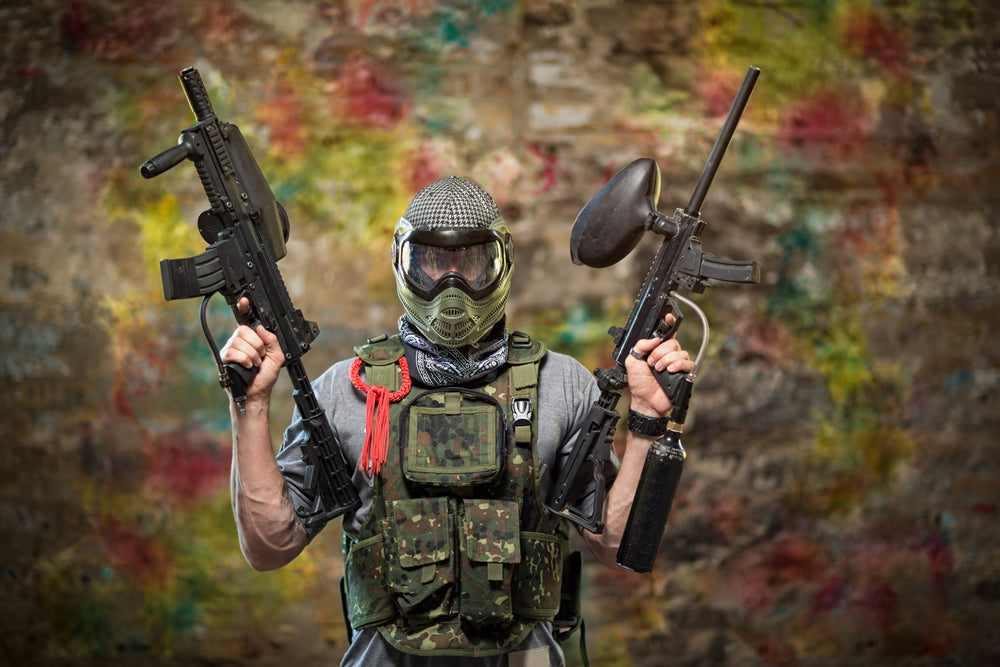
Your first paintball day usually comes with a few big questions. “What should you wear?”, “Does paintball stain clothes?”, “Is paintball dangerous?” or “What should you actually bring to the field?’ are some of the most common concerns our clients typically deal with.
And honestly, those are the right things to focus on before your first game.
Paintball becomes physically demanding very quickly once matches begin. You’ll sprint between cover, kneel behind bunkers, carry gear, slide into position, and spend hours outdoors shifting between weather and terrain conditions. The more prepared you are beforehand, the easier it is to enjoy the full experience of playing paintball.
A lot of first-time issues are highly tied to preparation: Heavy clothing that overheats fast, cheap masks that fog constantly, and bad footwear that slips on wet ground. In simple terms, minor equipment problems quickly become distractions during active games.
That’s why experienced players focus heavily on reliable gear and practical clothing.
This guide covers all hot questions, so you can be fully prepared before your first session and ultimately immerse yourself in the experience.
And if you’re building your setup before game day, Maddog Sports carries everything from paintball protective gear to durable paintball player clothing and paintball gun packages & starter kits for both new and experienced players.
Browse our collections and place your order today!
What to Wear Head-to-Toe
The biggest mistake first-time players make is dressing for comfort rather than for comfortable movement and protection.
Paintball entails constant physical activity. You’ll crouch, run, lean against different surfaces, crawl behind cover, and stay active for several hours at a time. Clothing that feels comfortable casually can become restrictive very quickly during a match.
Start with lightweight layers.
Multiple thin layers of clothing work better than one heavy hoodie because they improve mobility and soften impacts. Thick clothing often traps heat and becomes uncomfortable during longer games.
Dark colors are usually the smarter option.
Black, olive, grey, and camouflage clothing hide paint, sweat, dirt, and grass stains much better throughout the day. Most experienced players avoid white or light-colored clothing for exactly that reason.
Avoid cotton whenever possible.
Cotton absorbs sweat quickly, becomes heavy, and stays wet for hours. Athletic materials with moisture-wicking features perform far better because they remain light and dry faster between matches.
Long sleeves are strongly recommended.
Paintballs that hit exposed skin sting far more than shots absorbed through layered clothing. Even lightweight long sleeves reduce any discomfort you may experience in your first games. If you don’t mind getting dirty, older athletic clothes work well for recreational paintball, too.
Loose athletic pants or cargo pants work better than shorts or skinny jeans.
Baggy clothing creates an additional layer of protection between your body and incoming impacts, and allows easier movement during slides, crouching, and fast directional changes.
Long pants also protect your legs on rough paintball fields where gravel, dirt, and turf can easily scrape exposed skin. Additionally, you can avoid wearing shorts whenever possible for obvious reasons.
Footwear matters more than many beginners expect.
Outdoor fields often include wet grass, gravel, mud, roots, and uneven terrain. Shoes with poor grip quickly become a problem during aggressive movement. Cleats, hiking boots, or supportive athletic shoes with solid traction and proper ankle support make a noticeable difference during longer days at the field.
Some paintball players prefer lighter shoes for speedball, while others wear boots for woodsball and rough outdoor terrain. The type of paintball you’re playing usually determines what works best.
Then there’s your mask.
A poor-quality mask can ruin the experience in seconds. Fogged lenses, poor airflow, uncomfortable straps, and shifting protection can alter the conditions in active games.
That’s why experienced players invest heavily in reliable paintball protective gear early. Better gear means better visibility, comfort, padding, and eye protection at the same time.
Some players also wear a baseball cap underneath their mask for additional padding and sweat control during longer paintball games.
Will Paintball Stain My Clothes?
One of the most common questions first-time players ask is simple: “Does paintball stain clothes?” The short answer is usually no.
Modern paintballs can use water-soluble fill to wash out easily. In most situations, paint comes out during a normal wash cycle, especially if you clean your clothing shortly after playing.
There are some materials, though, that handle paintball worse than others.
For example, white clothing, delicate fabrics, suede, silk, and light cotton materials are more likely to hold stains if paint dries for too long. Older paintballs or cheaper field paint can occasionally leave residue behind, too.
That’s one reason experienced players don’t wear clothes they use every day onto the field.
On the other hand, paintball gets messy quickly. Between paint splatter, sweat, dirt, turf marks, mud, and repeated slides into cover, your clothing takes a beating during active play. Paintball clothing is intended to handle those conditions much better.
Reinforced knees, padded zones, breathable materials, and moisture control all make a noticeable difference once games become faster and more physical. Your body temperature is cooler, you move more easily, and you care less about damaging your clothes.
Many players upgrade to dedicated paintball player clothing after only a few sessions because regular athletic clothing doesn’t hold up the same way during repeated use.
If you don’t worry too much about getting paint or mud on your gear, the experience becomes far more enjoyable.
Is Paintball Dangerous?
Every new player asks this before stepping onto the field. The answer is simple: Not when fields follow proper safety procedures and players adhere to the rules.
Modern paintball fields operate under strict safety policies, specifically to prevent serious injuries. Referees monitor matches closely and check the velocity limit before games, barrel covers remain mandatory in safe zones, and masks remain on at all times during the game.
The mask rule is significantly important. Eye protection is mandatory in paintball because it eliminates the overwhelming majority of serious risks. Reputable fields enforce this rule aggressively, and for good reason.
Most players are surprised to find that getting hit hurts less than they expected. Paintball impacts usually feel like a quick snap against layered clothing rather than severe pain. The anticipation is often worse than the actual impact once games begin.
That said, paintball is still physically demanding.
Players can leave with bruises, sore legs, scrapes, or soreness after sprinting, kneeling, and sliding throughout the day. The purpose of good equipment is to reduce much of that discomfort.
Reliable masks reduce fogging and visibility problems. Gloves protect hands during close-range hits. Padded layers soften impacts. Proper footwear improves stability on uneven terrain.
Even tiny gear upgrades make full-day sessions noticeably easier on your body. Explore our protective paintball gear here.
What to Bring to the Field
The best first paintball experiences usually come down to preparation. If you forget parts of your gear, don’t drink enough water, wear uncomfortable clothing, or miss paperwork can turn an exciting day into a frustrating one in a snap.
Water should be your priority.
Paintball is physically exhausting, especially during outdoor games or summer sessions. Constant movement and adrenaline drain energy quickly, and dehydration becomes a problem fast if you aren’t drinking enough between matches.
Bring more water than you think you’ll need to bring.
Snacks are important too.
Several hours of gameplay become rough when players rely entirely on adrenaline for energy. Granola bars, fruit, sports drinks, or protein snacks help maintain your energy levels throughout the day.
Extra clothing helps more than you think.
Dry socks, backup shirts, lightweight layers, winter gloves, and clean clothes to change into after the session become incredibly useful once your gear gets sweaty or muddy. Sitting in soaked socks after a muddy outdoor session can be very uncomfortable.
And don’t forget the waiver.
Most paintball fields require signed waivers before participation. If you’re under 18, many venues require parent or guardian approval beforehand.
If you already own equipment, double-check everything before leaving home.
-
Mask
-
Marker
-
Air tank
-
Pods
-
Gloves
-
Protective layers.
For complete beginners, rental setups remain a solid starting point. But many players quickly realize that comfortable masks, reliable markers, lighter setups, and better-fitting gear dramatically improve the overall experience. That’s exactly why beginner paintball gun packages & starter kits have been gaining much popularity lately.
They simplify the process and help new players stay in the field with reliable equipment from day one.
How to Prepare for Your First Game
The best way to prepare for paintball is to understand what the game actually requires, both physically and mentally. Many beginners underestimate how important movement, communication, and positioning are throughout the match.
-
Arrive early whenever possible. When you show up ahead of time, you have more space to adjust your equipment, complete paperwork, attend safety briefings, and get comfortable before the game.
-
Walking the field beforehand helps too. Understanding bunker placement, movement lanes, cover positions, and sightlines immediately makes matches easier. Even experienced players study fields carefully before games.
-
Communication matters more than perfect aim on your first day. Simple callouts like “left side,” “moving,” or “back bunker” already improve teamwork in recreational games.
-
And don’t spend the entire match hiding behind cover. New players often stay stationary too long because they’re nervous about getting hit. But paintball becomes way more fun once you start moving, reacting, and participating actively in the game.
That’s when the game starts making sense: when there is speed, teamwork, and strategy. Your first day doesn’t require expensive tournament equipment or advanced experience.
You just need the right preparation, reliable gear, and clothing for game conditions.
Gear Up Before the Paint Starts Flying
Bad masks fog up. Heavy clothes overheat fast. Poor footwear slips when the field gets muddy.
The right paintball setup is the only fixation to those problems before the games even start.
With reliable protective gear, durable paintball clothing, and beginner-friendly setups from Maddog Sports, you can spend less time adjusting equipment and more time investing yourself in the game.